
“I mean of course there’s a dancing kangaroo mascot”, I said to myself as I walked up to a swarm of people at Sydney’s Domestic Airport T3 this morning. It was early, I hadn’t got much sleep the night before, but I was excited nonetheless. No, not just because of the dancing kangaroo.

I was a guest of Qantas for a very special inaugural flight: the new Qantas Airbus A321XLR. The new workhorse of the Qantas fleet, as interesting for its design as it is for the operational flexibility it gives Australia’s flagship airline.
The Logistical Complexity of Air Travel in Australia
Australia is a large country. Flying across it can be complicated. Then again, flying from Sydney to Melbourne, or vice versa, can be complicated in a completely different way, since it is the fifth-busiest domestic flight route in the world. Then look at how isolated Australia is from most other countries and think of how complicated long-haul and ultra-long-haul flying can be. Now imagine you run Qantas and have to competitively fly the 1-hour Sydney-Melbourne flight, the 5.5-hour Sydney-Perth flight, and the 16.5-hour Sydney-Dallas flight. No wonder airlines have supercomputers helping them crunch all those numbers.
Let’s focus on those mid-haul flights for a bit, like Sydney-Perth. The long-time workhorse of the Qantas fleet has been the Boeing 737, a very capable and reliable aircraft. Occasionally, however, the 737 struggles to be the perfect plane for that route because prevailing winds often affect that route, which can limit the amount of cargo or even passengers their 737s can carry. Qantas does what many other airlines would do, and puts a long-haul aircraft like the Airbus A330 on some Sydney-Perth flights, but that is an inefficient use of that airplane, which is better suited for 7-10 hour flights.
So what if there was a plane that could fly anywhere on Qantas’s domestic route map, fit more passengers, carry more cargo, and have more premium seats?
Welcome to the Airbus A321XLR.
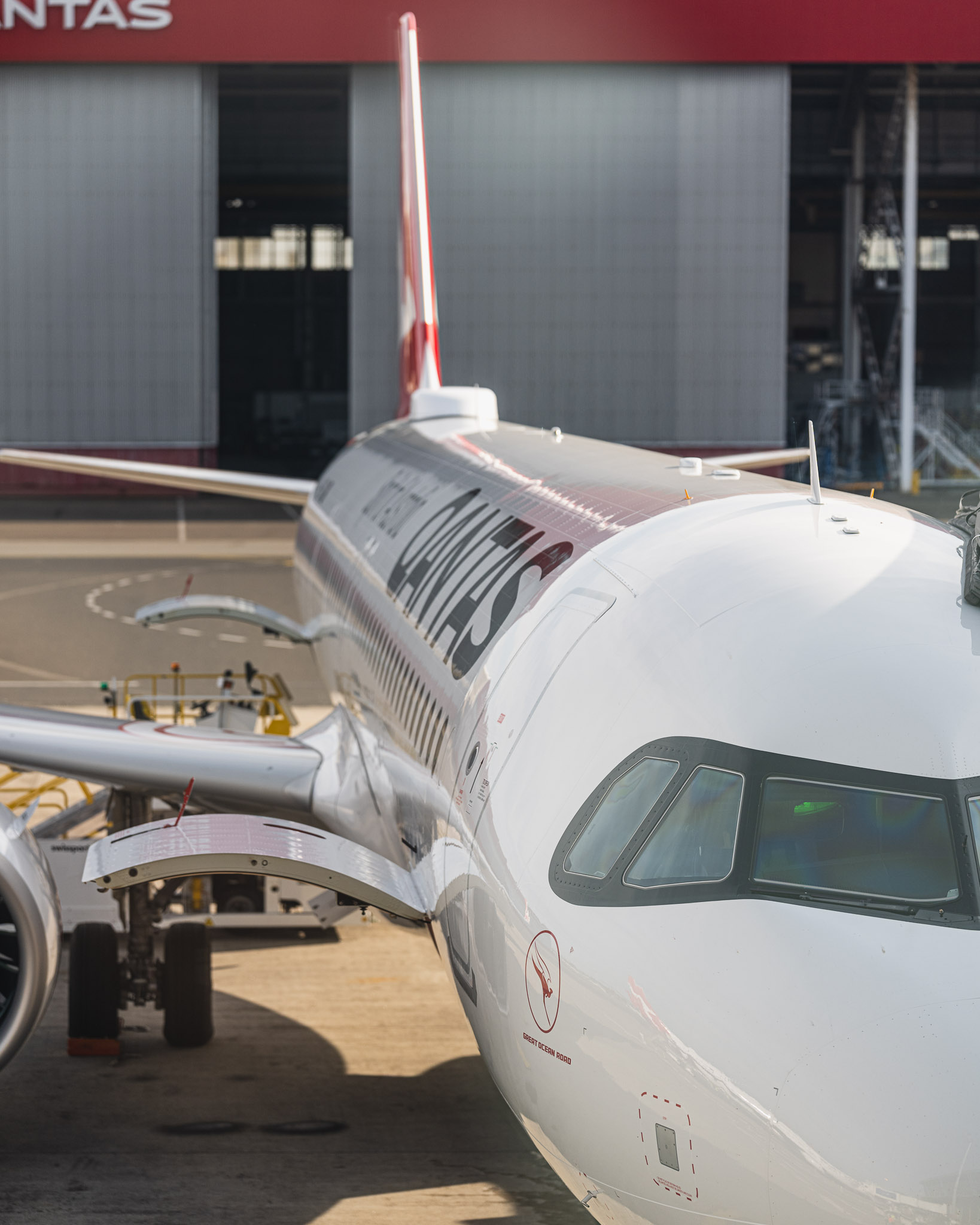
The Airbus A321XLR
The A321XLR is an extended long range (XLR) variant of the venerable A319/320/321 family of single-aisle aircraft. It’s a version of the A321 designed with an additional rear center tank for fuel and strengthened landing gear for a larger maximum takeoff weight. This extends the range of the A321XLR to a whopping 8700 kilometers (5400 miles) while the additional fuel tank and larger takeoff weight means more cargo as well (a hidden profit center for the airlines). This opens up an incredible amount of flight possibilities for airlines like Qantas, take a look at the map below, comparing the hypothetical range of a 737 to the A321XLR.
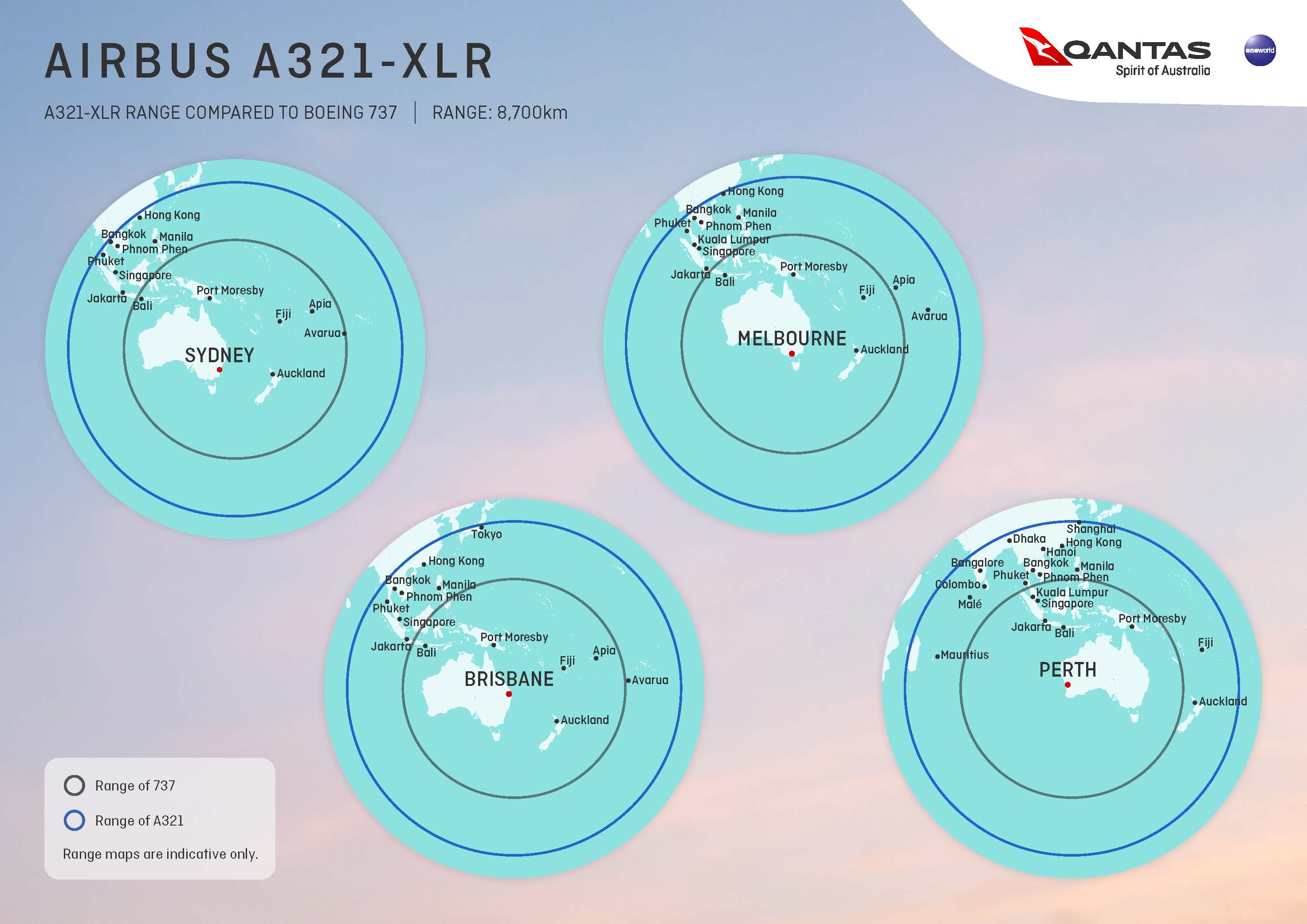
Endless route possibilities. Full domestic coverage of Australia. As an amateur airline industry observer, I was already intrigued.
And then Qantas asked if I wanted to join for its inaugural passenger flights. Intrigued changed to excited!
The Qantas A321XLR Inaugural Flight
I really do love inaugural flights. There’s just nothing like the excitement of airline teams who have expended tens of thousands of hours to prepare for the day, the media there covering the event, and then the more social media types like me. I was excited to see all of it as I approached Gate 5 this morning for the very special flight, appropriately called Qantas 1321.
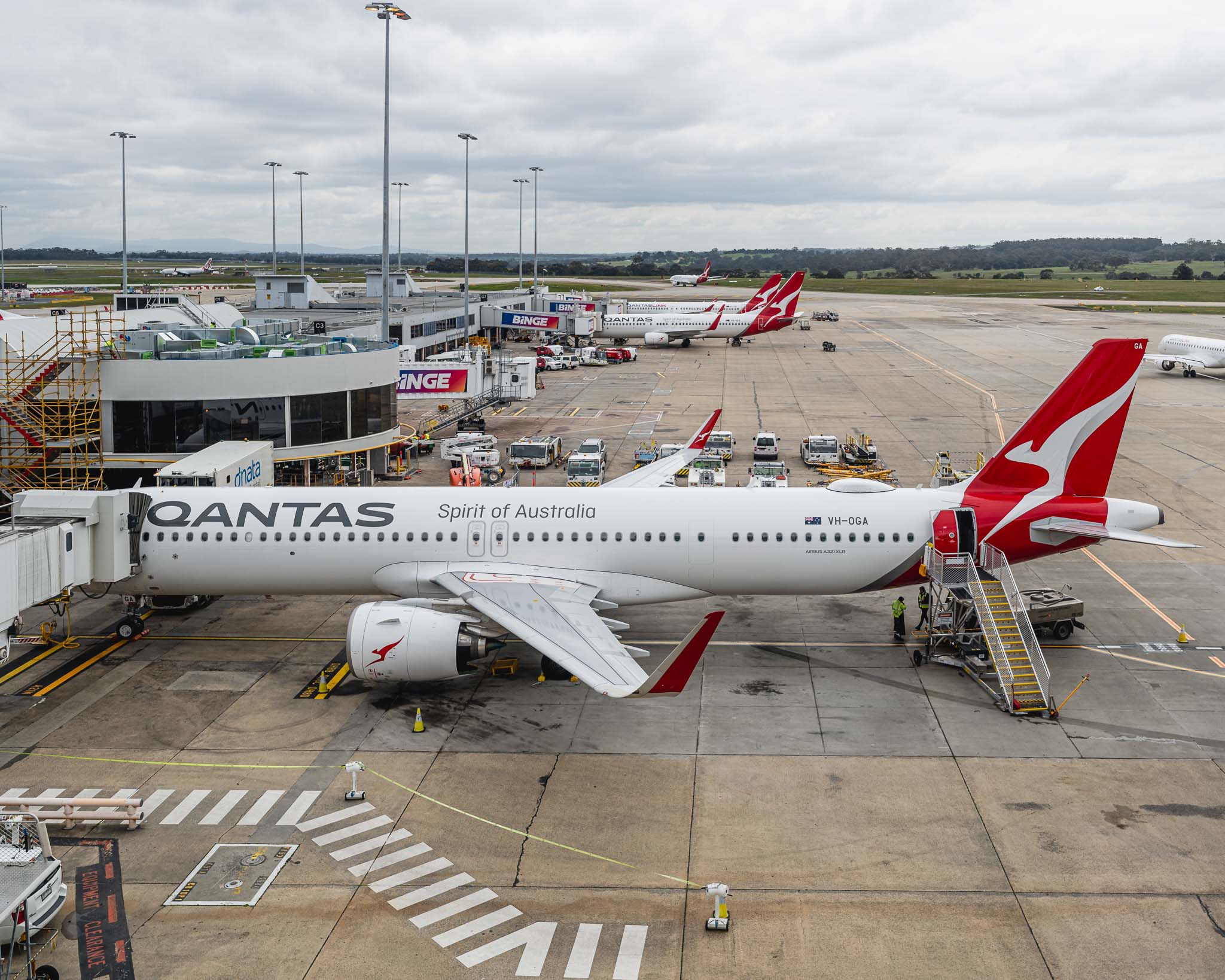
The plane was already at the gate, waiting for her first passengers. Qantas has a long history of naming its aircraft along different themes, and the theme for the A321XLR fleet is Australia’s walks, rivers, and roads, to celebrate the iconic travel opportunities down under and Qantas’s connection to the Aussie landscape. What better name for the first jet (VH-OGA) than Great Ocean Road, one of Australia’s most famous drives?
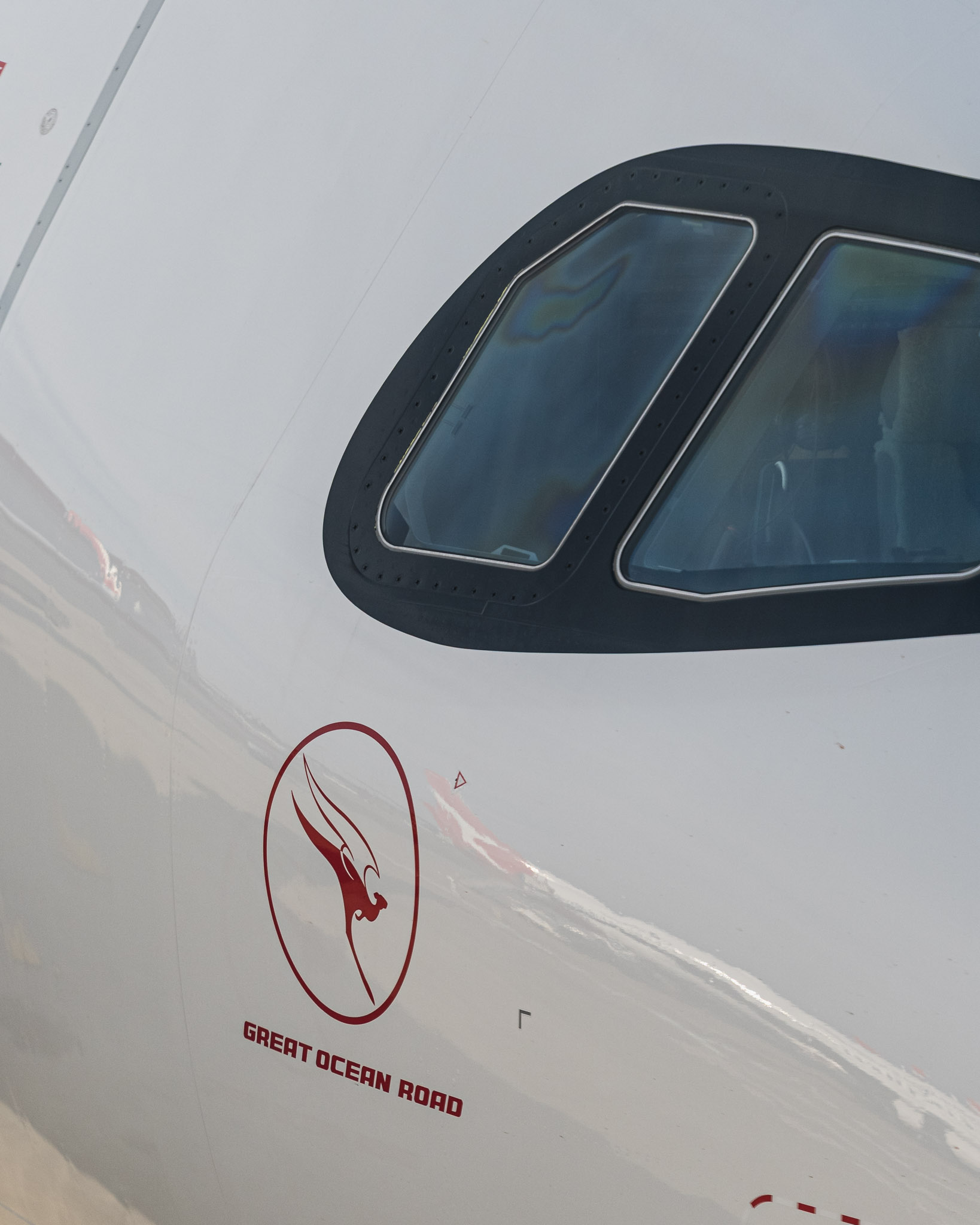
We were all eager for the flight, but of course there were some festivities at the gate to attend to.
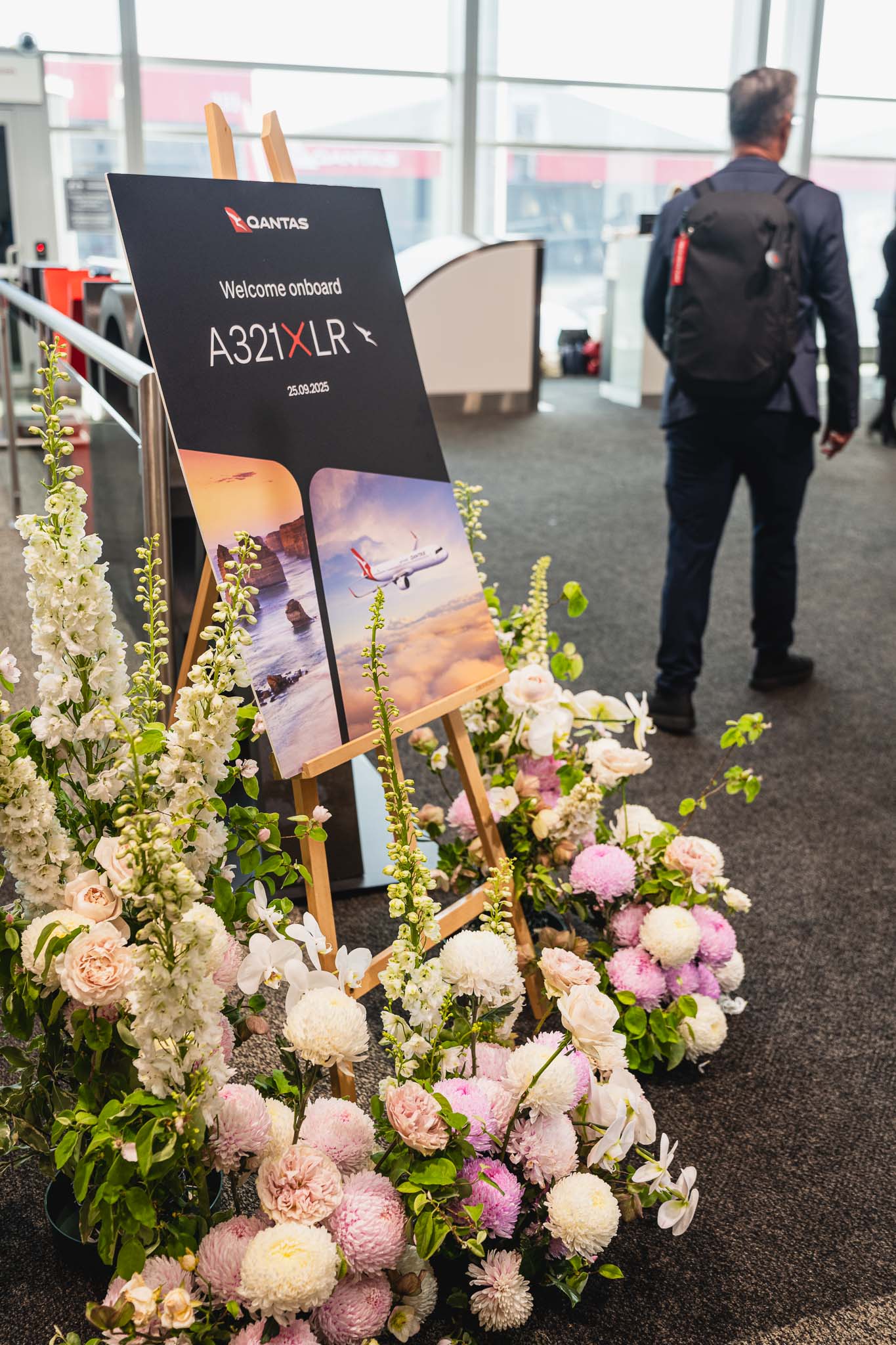
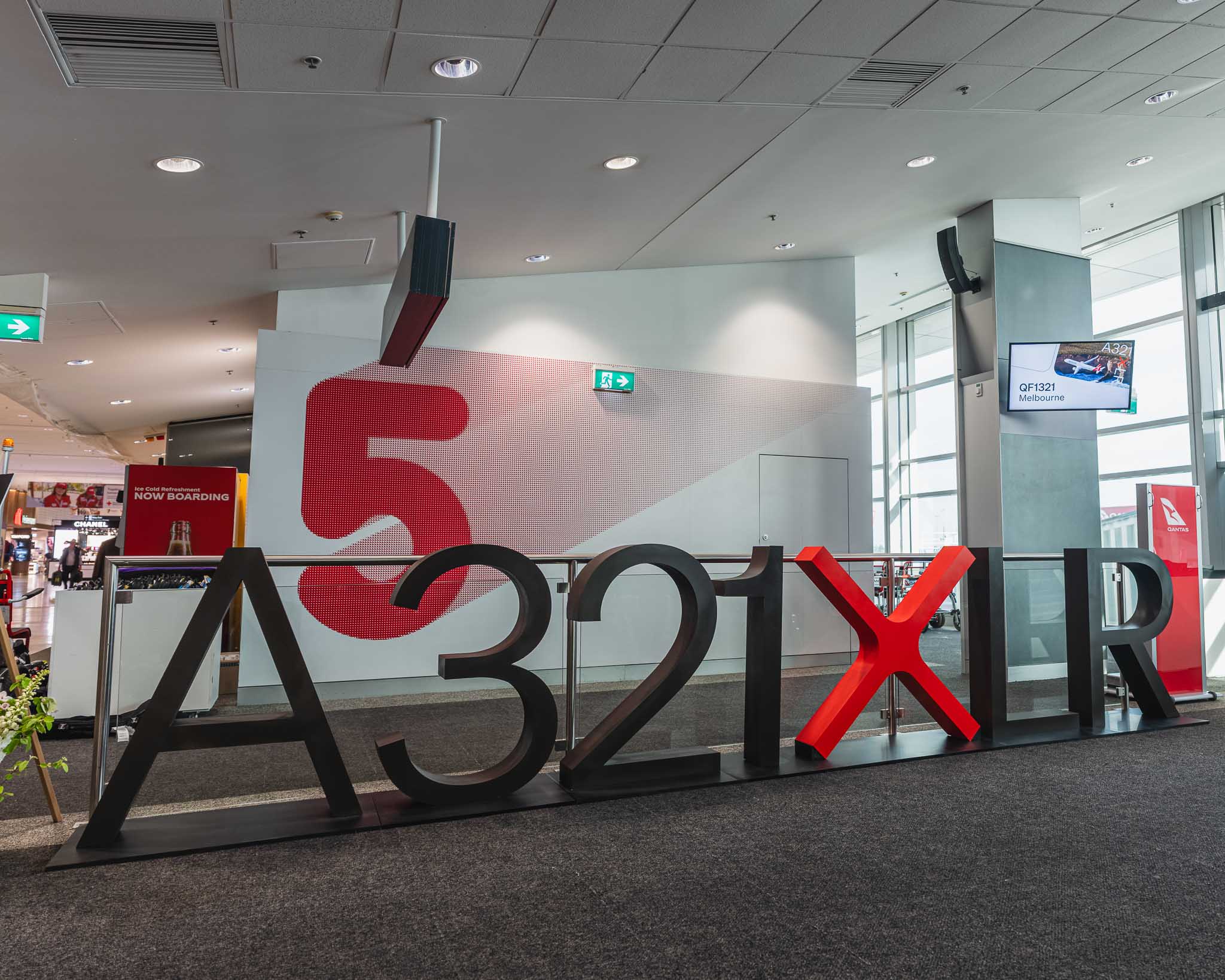
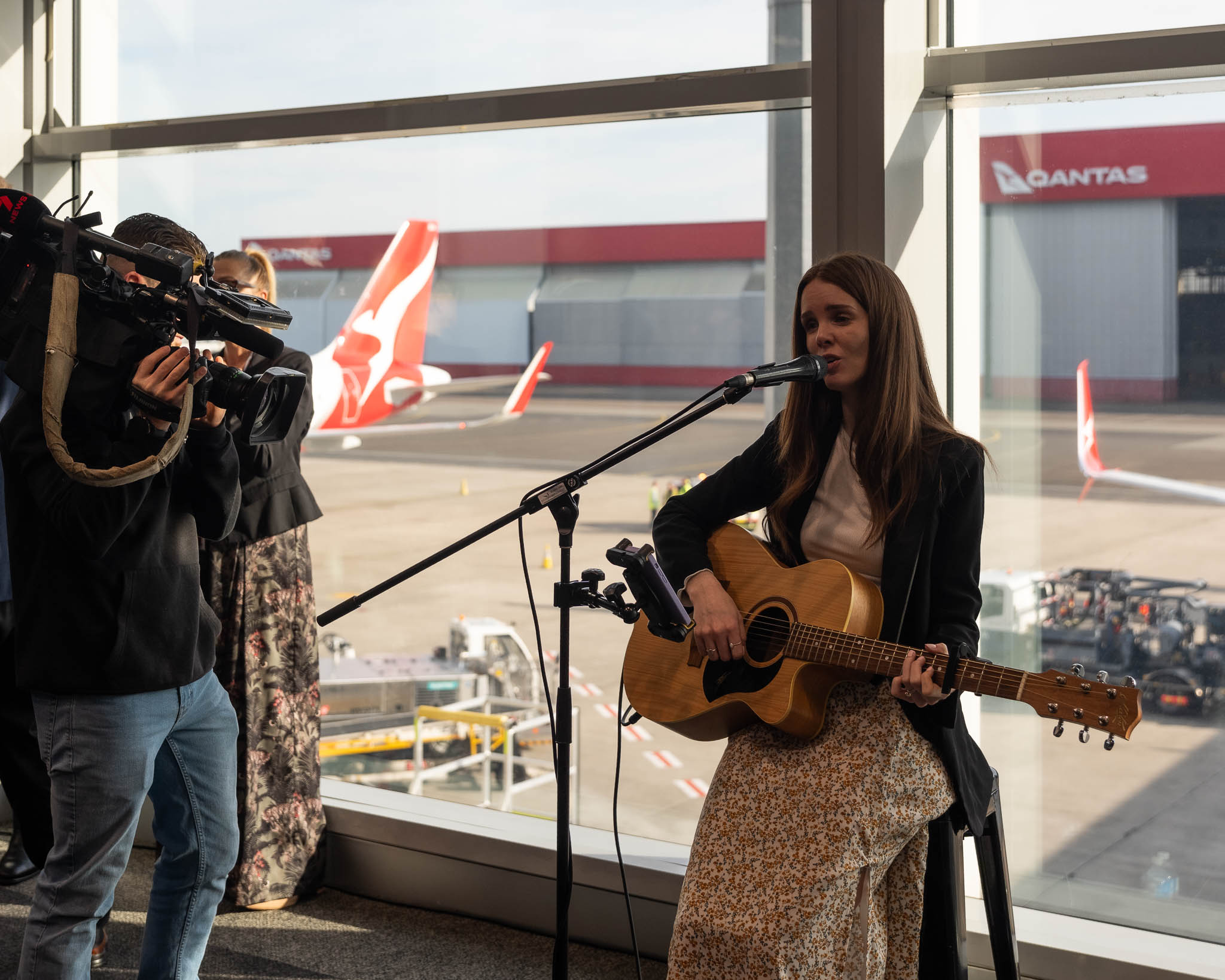
There were plenty of photo opps with the signage while a wonderful singer performed.
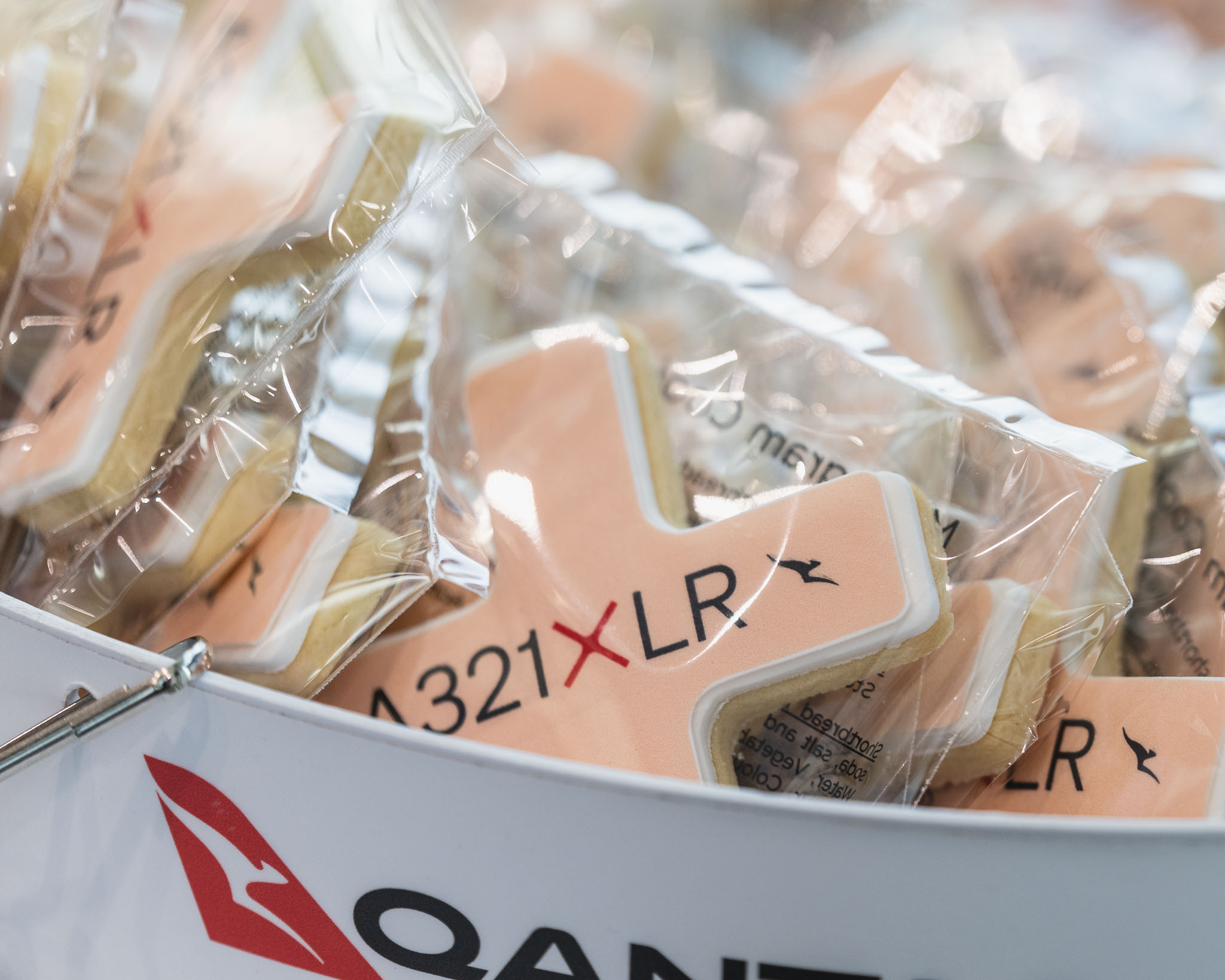
Qantas team members walked around making sure everyone had an A321XLR flag and even some sweet treats.

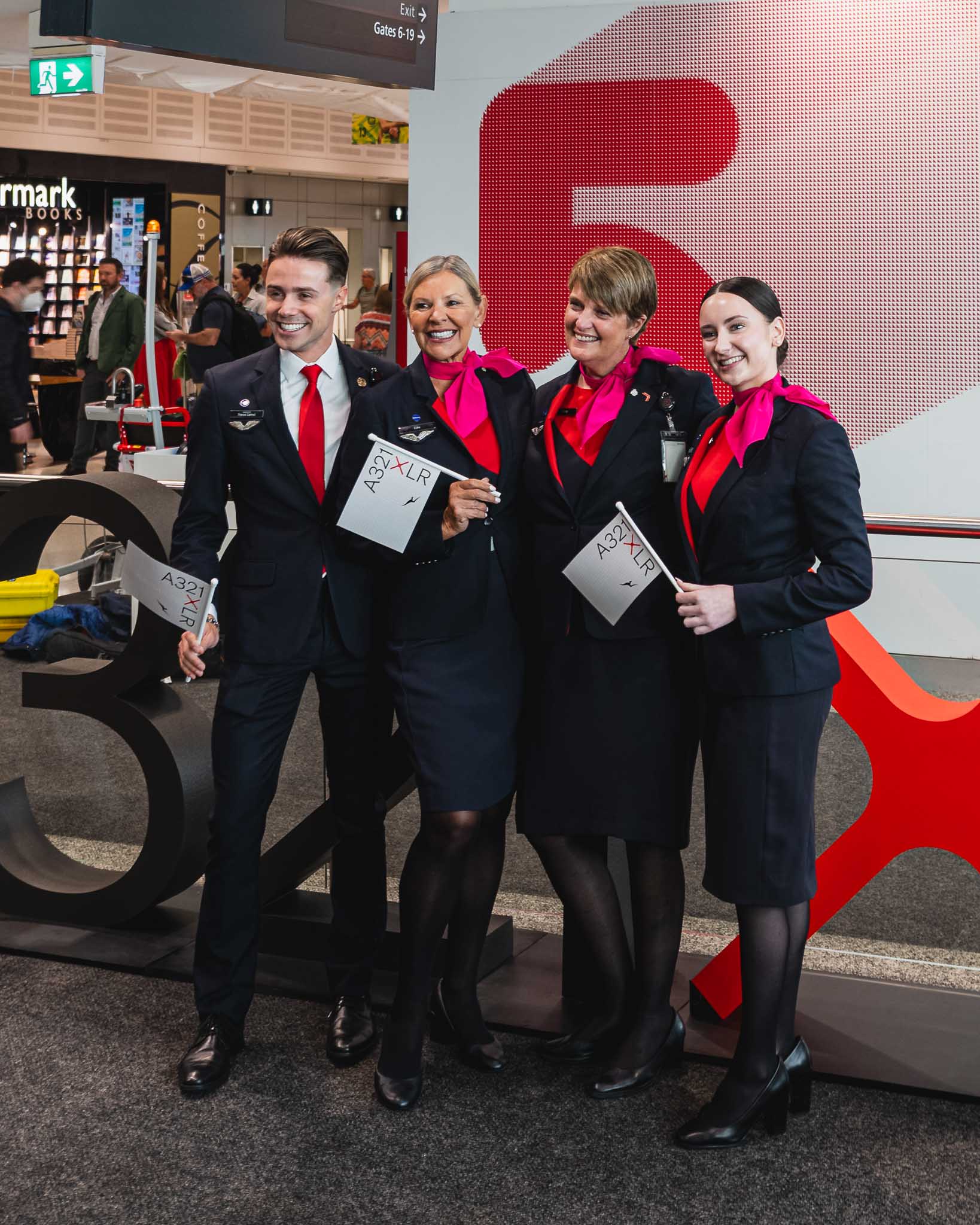
Even cabin crews were posing for pictures!
The Interior of the A321XLR
Eventually it was time to board, and my boarding pass just would not scan. I went to the desk and the bloke there smile and handed me a new boarding pass for Business Class! What an unexpected treat for a flight with so many executives, credentialed media, and even social media folks with far bigger followings than mine.
I was keen to see the new business class because of a bold decision Qantas made for the A321XLR: there are no seat-back screens on the initial configuration of the new aircraft. For loyal Qantas flyers this will likely be a bit of a shock, but, as a loyal American Airlines customer, I am used to it.
The current Business Class cabin has reclining seats that do not lie flat. Qantas has 48 A321XLR aircraft on order and 18 of them will be configured for long-haul international travel with lie-flat seats in Business Class, so I did not consider this to be a huge deal.
As we walked onto the aircraft, we were greeted by the wonderful cabin crew and the first thing I saw was the iconic Flying Kangaroo Qantas logo on the galley wall as I made my way into the cabin.
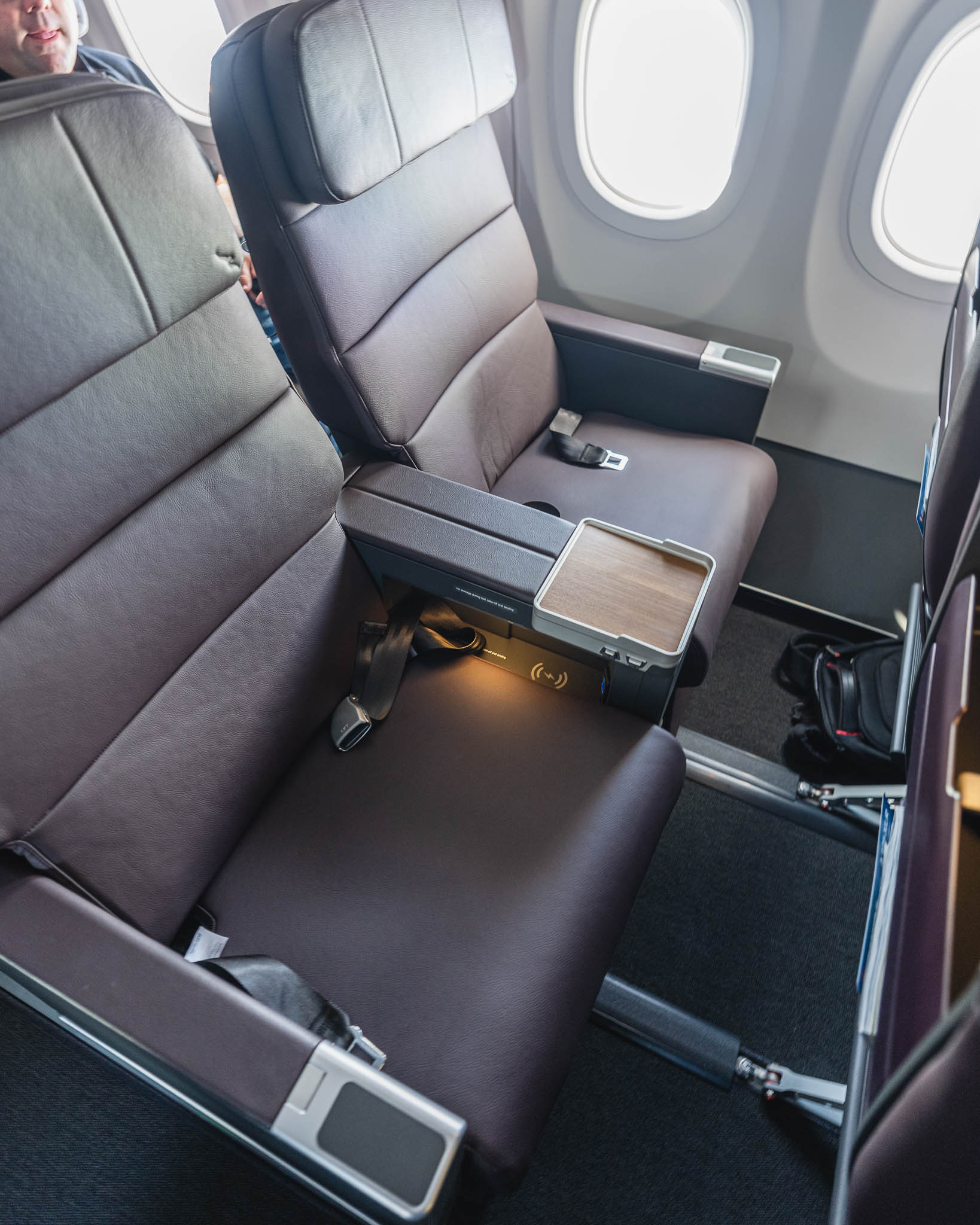
The plush leather-feel seats are in a 2-2 configuration, with 20 seats in the Business Class cabin. They’re in a nice burgundy color.
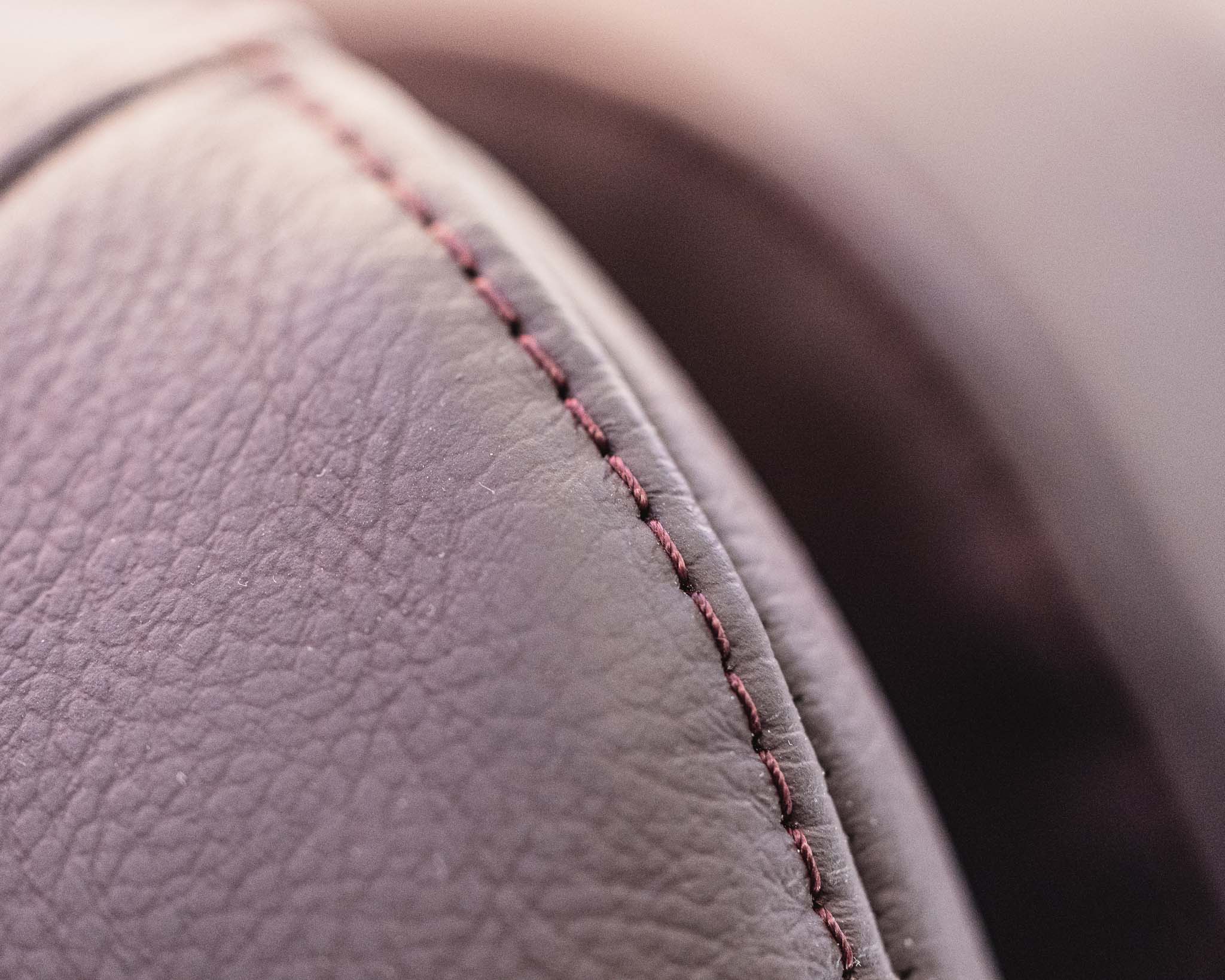
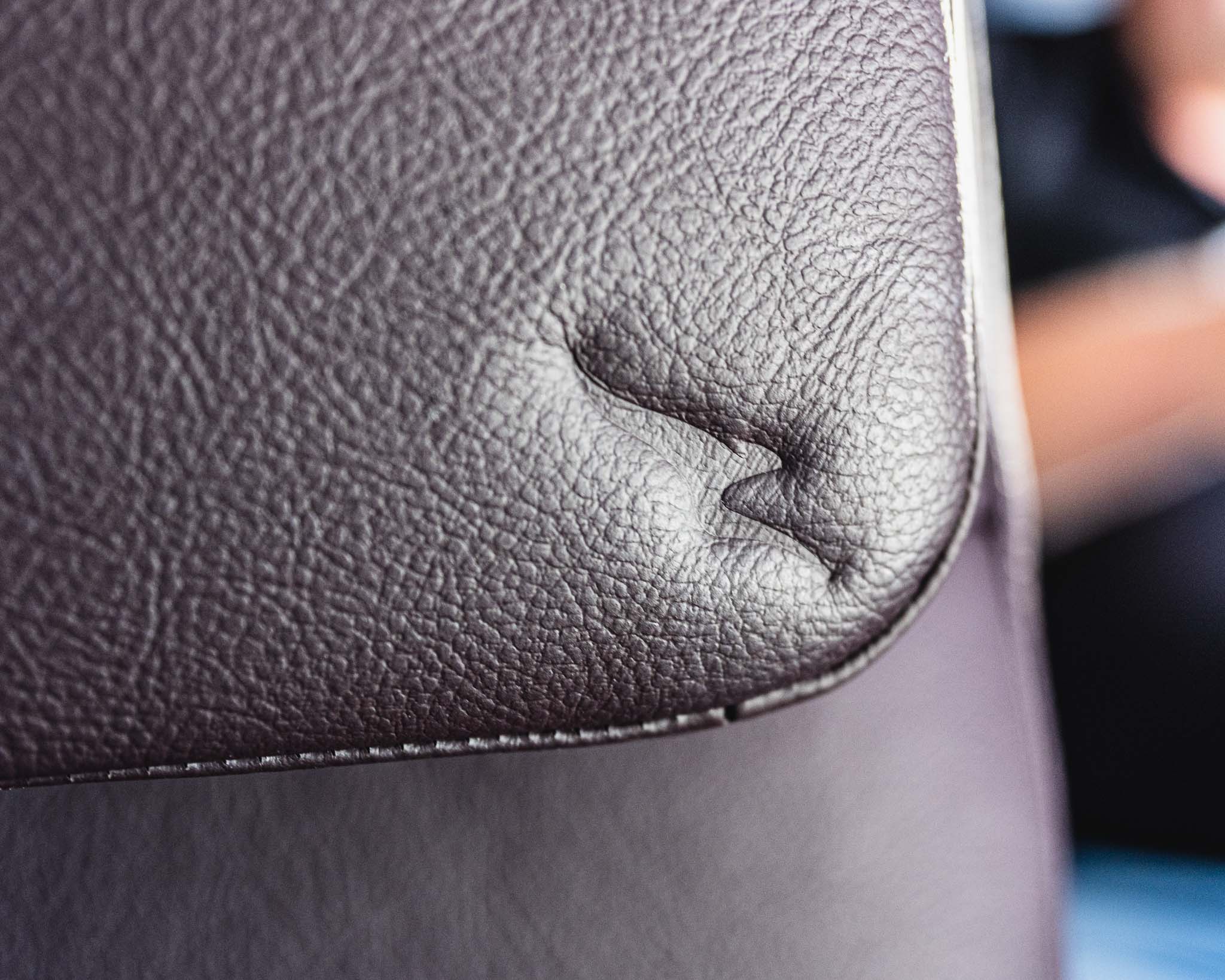
And, of course, each seat featured the Flying Kangaroo logo stamped in the headrest.
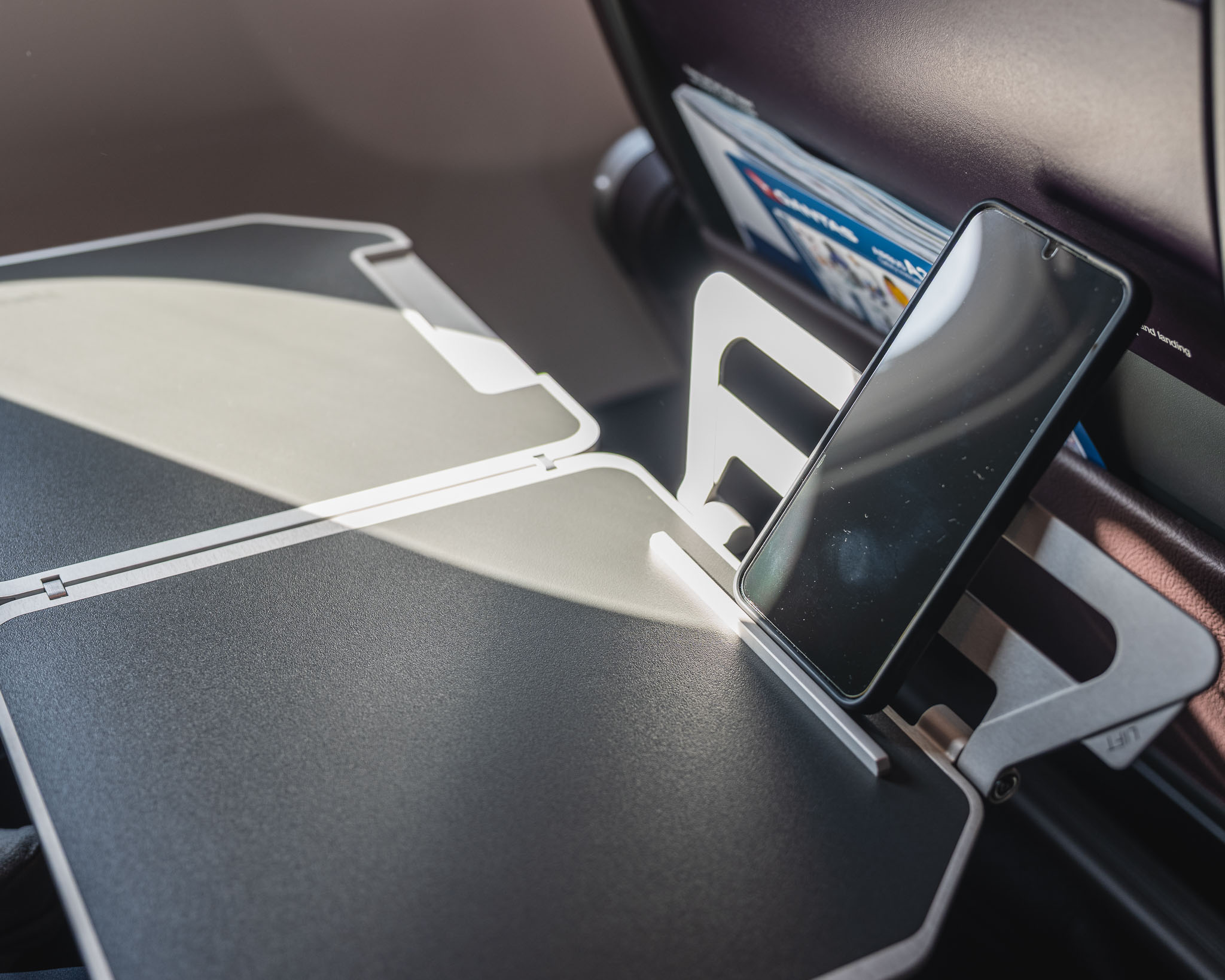
The seats have many of the features you would expect, with the new device holder being an essential part of the seat, since that will be the primary entertainment hub for customers now.
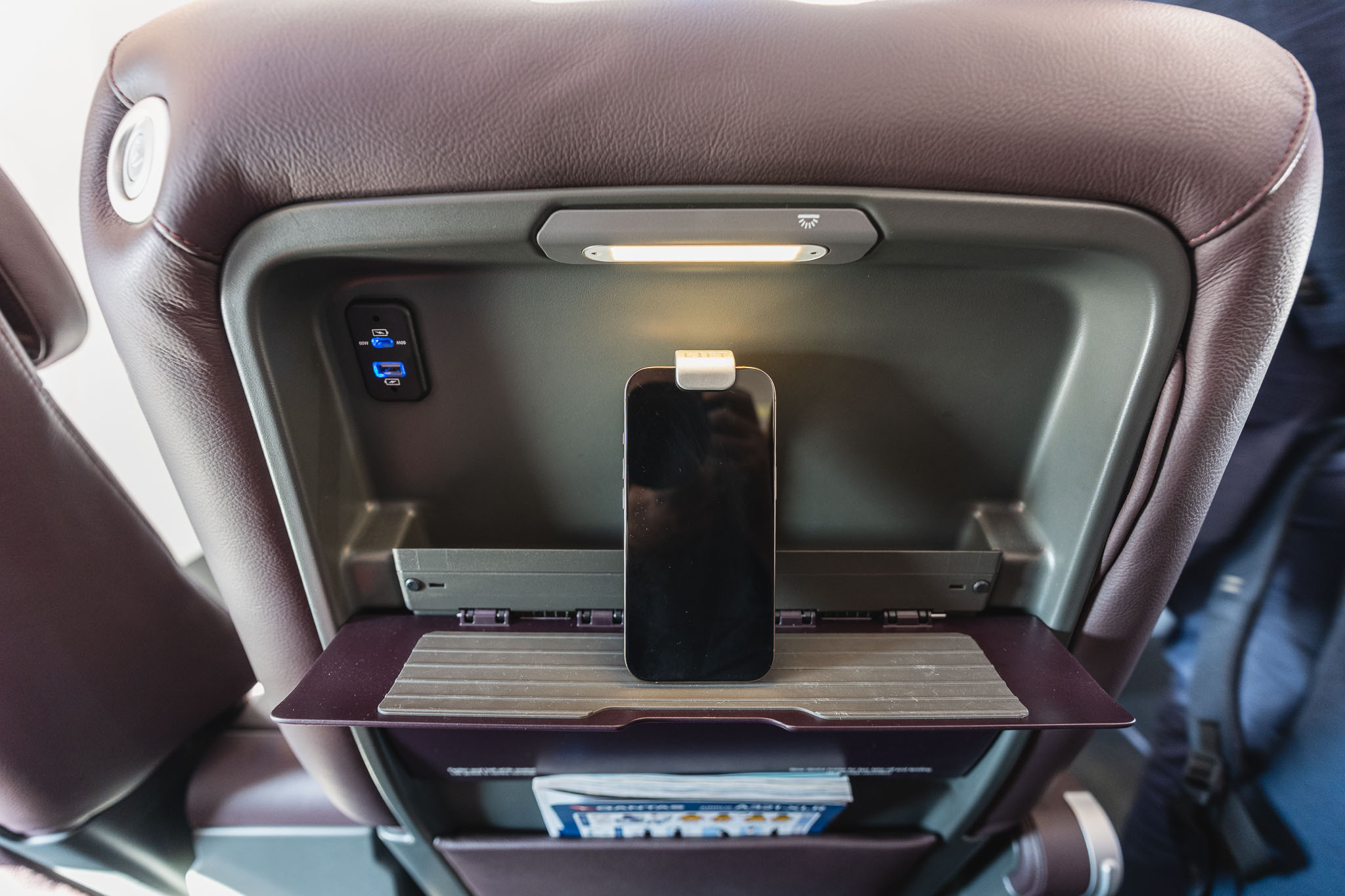
As you can see, whether you are in Business Class or Economy, there are USB-A and USB-C plugs at every seat.
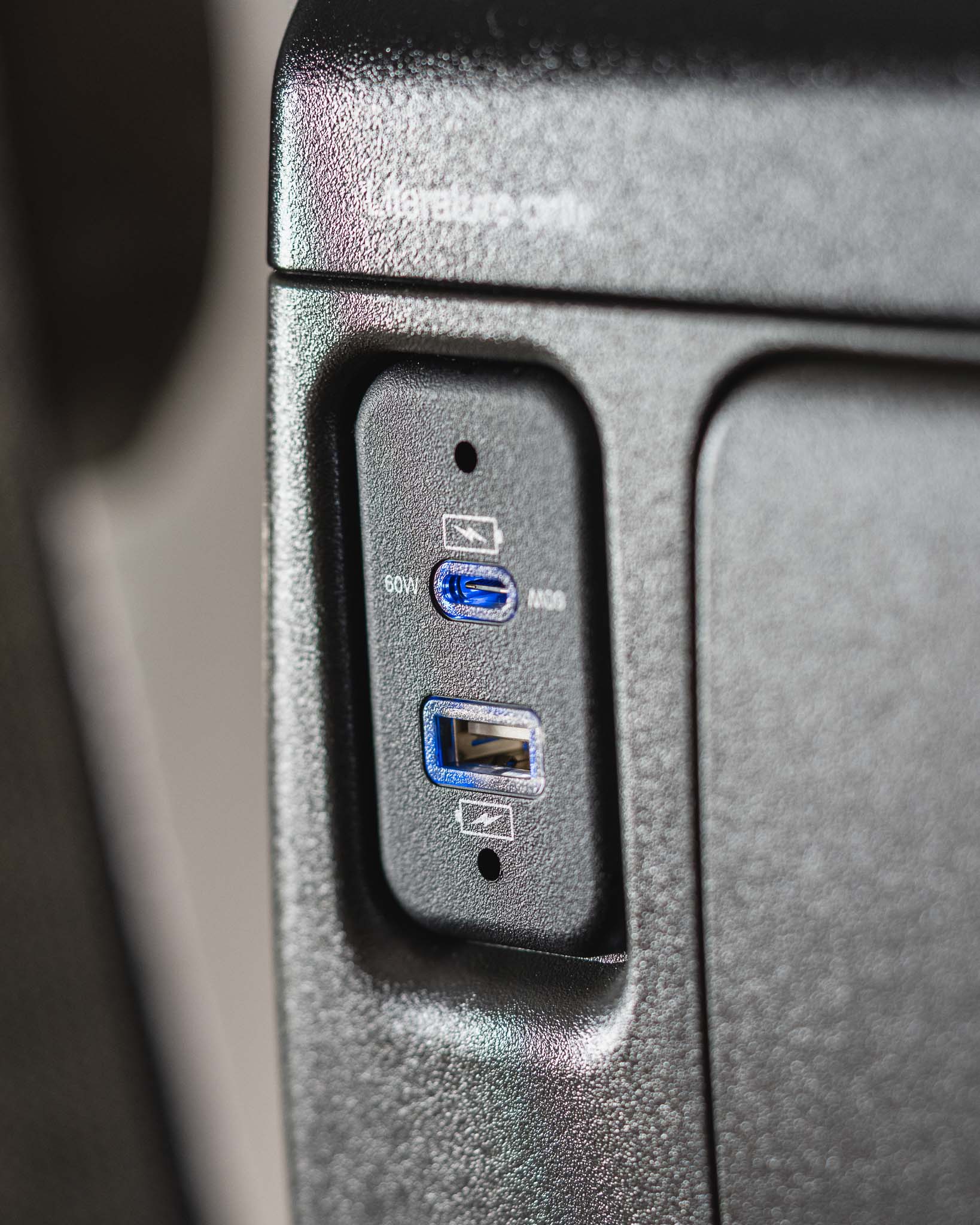
Business Class also has a wireless charging area below the armrest with an additional set of USB outlets.
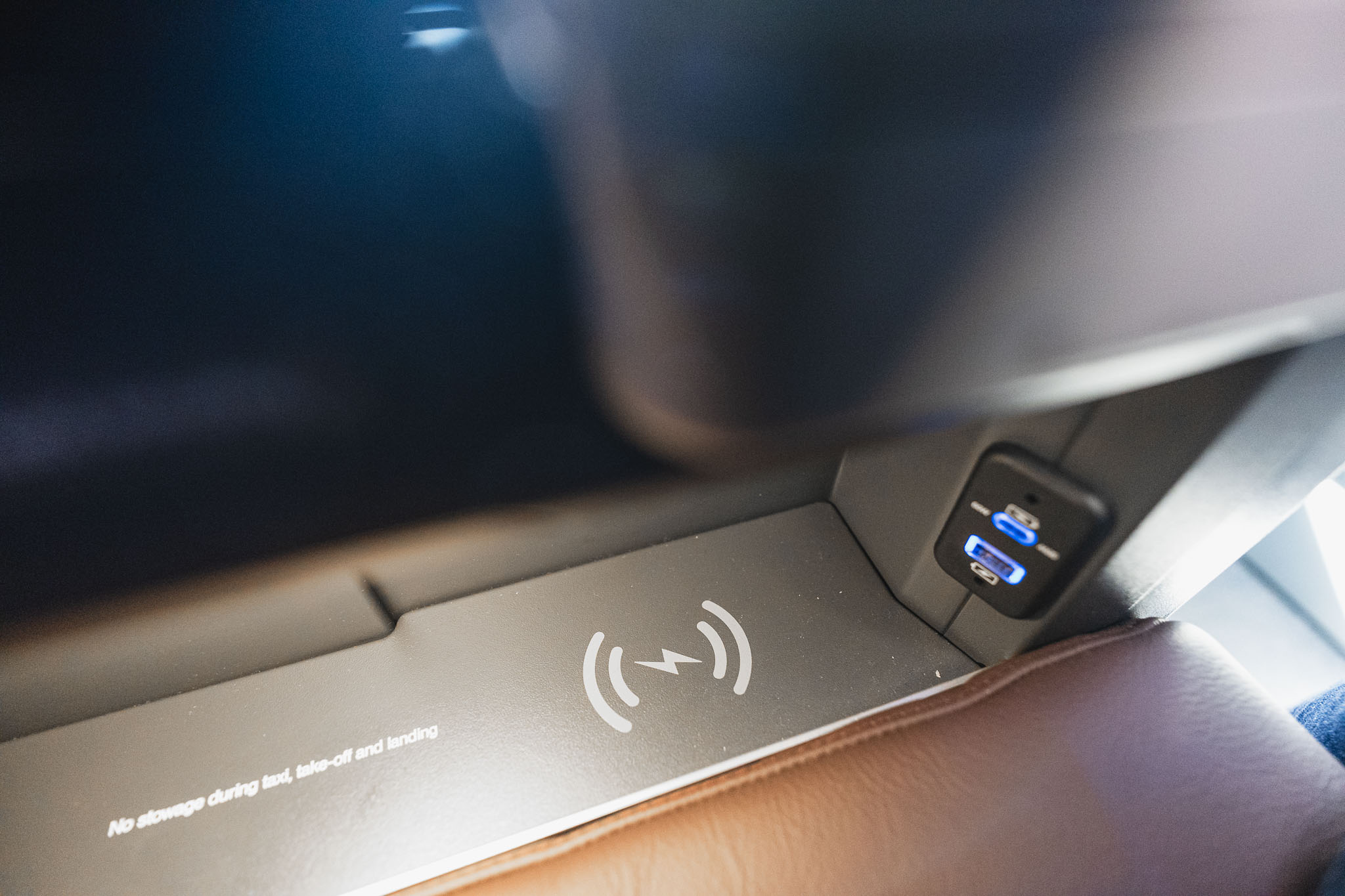
There’s even a dedicated bottle stowage area between the seats, although it’s a bit hidden.
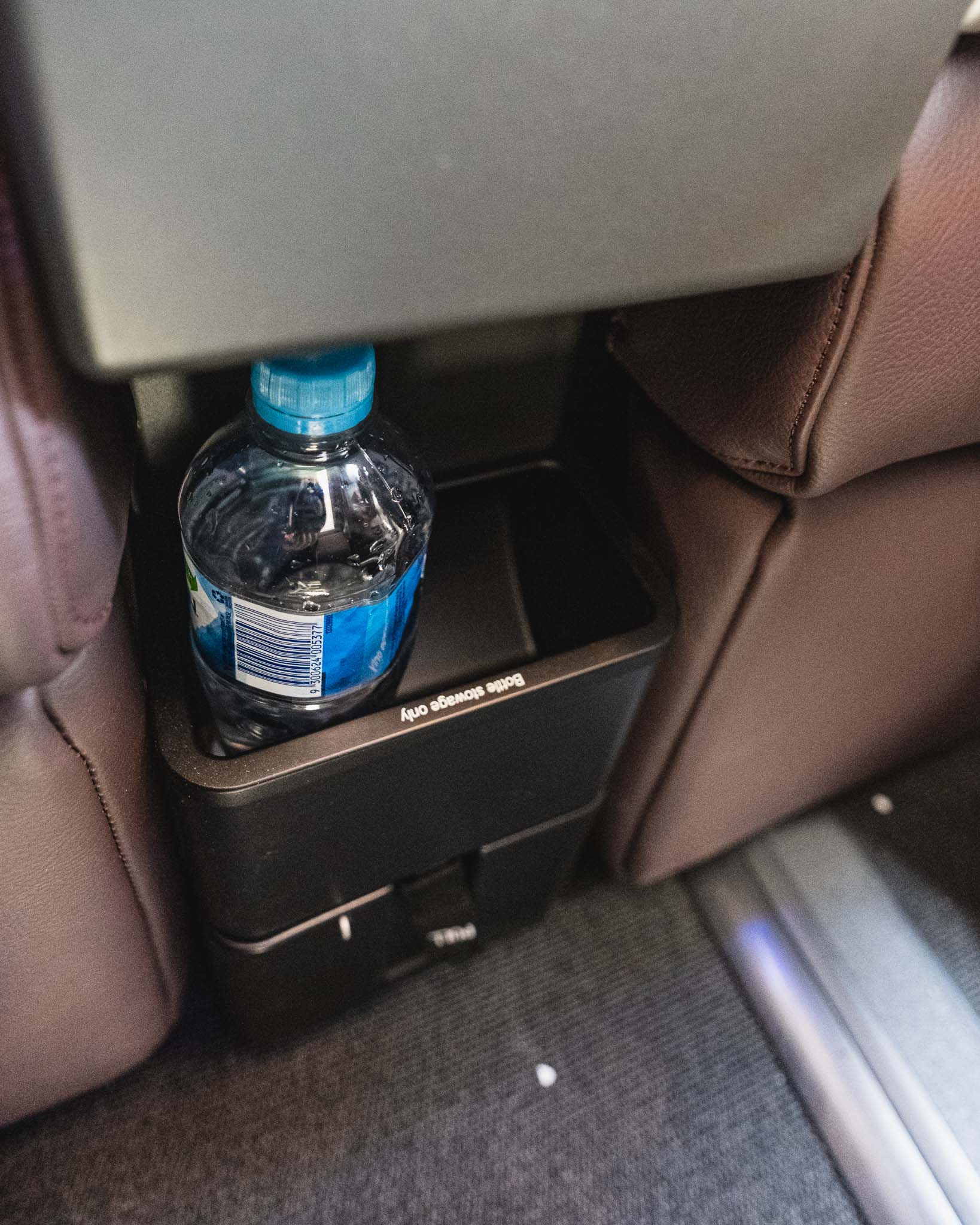
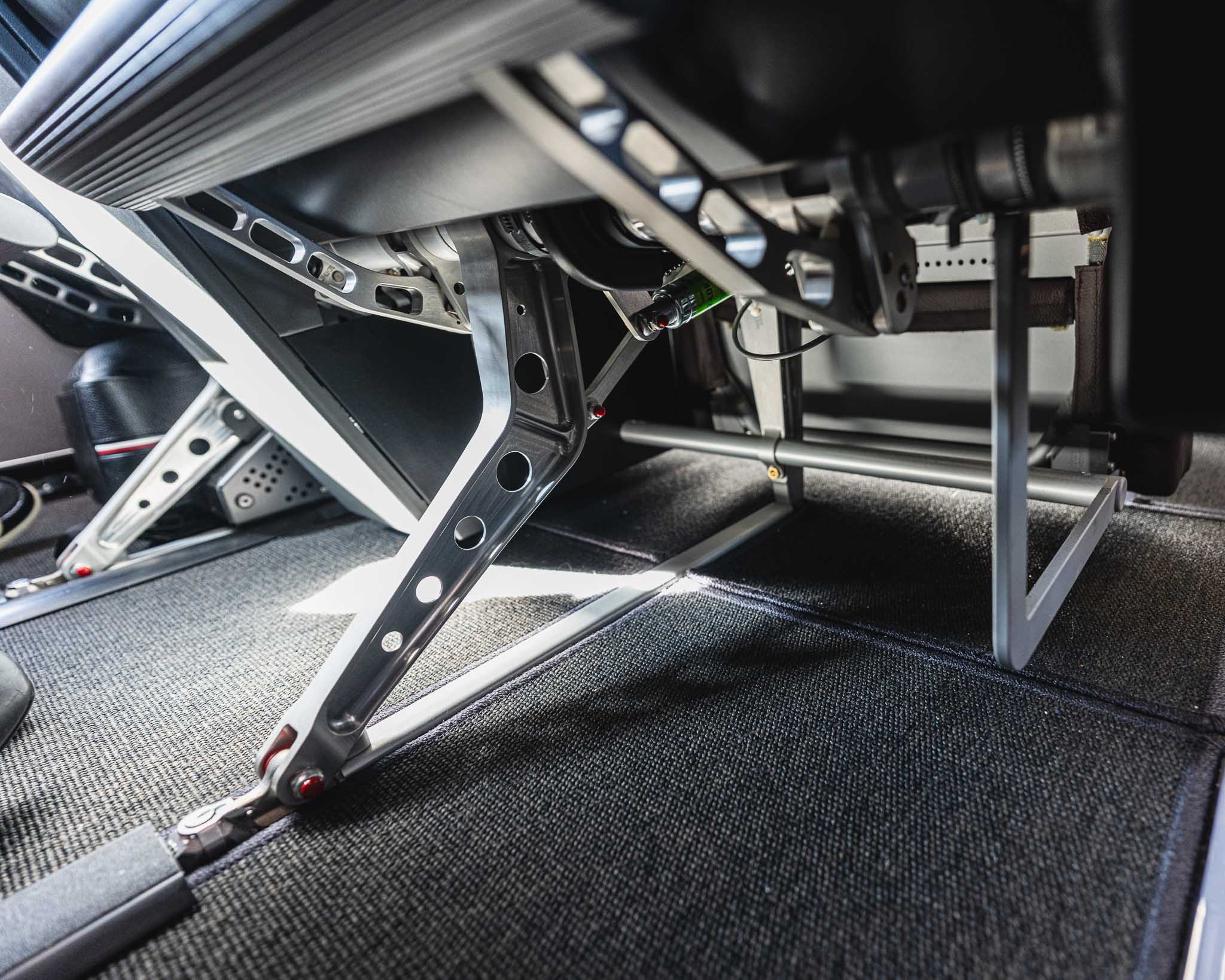
One minor annoyance with the Business Class cabin, however. The window seats have what you would consider to be a normal below-seat storage area. The aisle seats, however, have a seat support right in the middle of the below-seat storage, which cuts your under-seat storage basically in half. Not a huge deal, especially as the A321XLR has the enormous overhead bins where you can turn luggage on its side, but just something to note.
The tray tables are as you’d expect, with another device holder built into them.
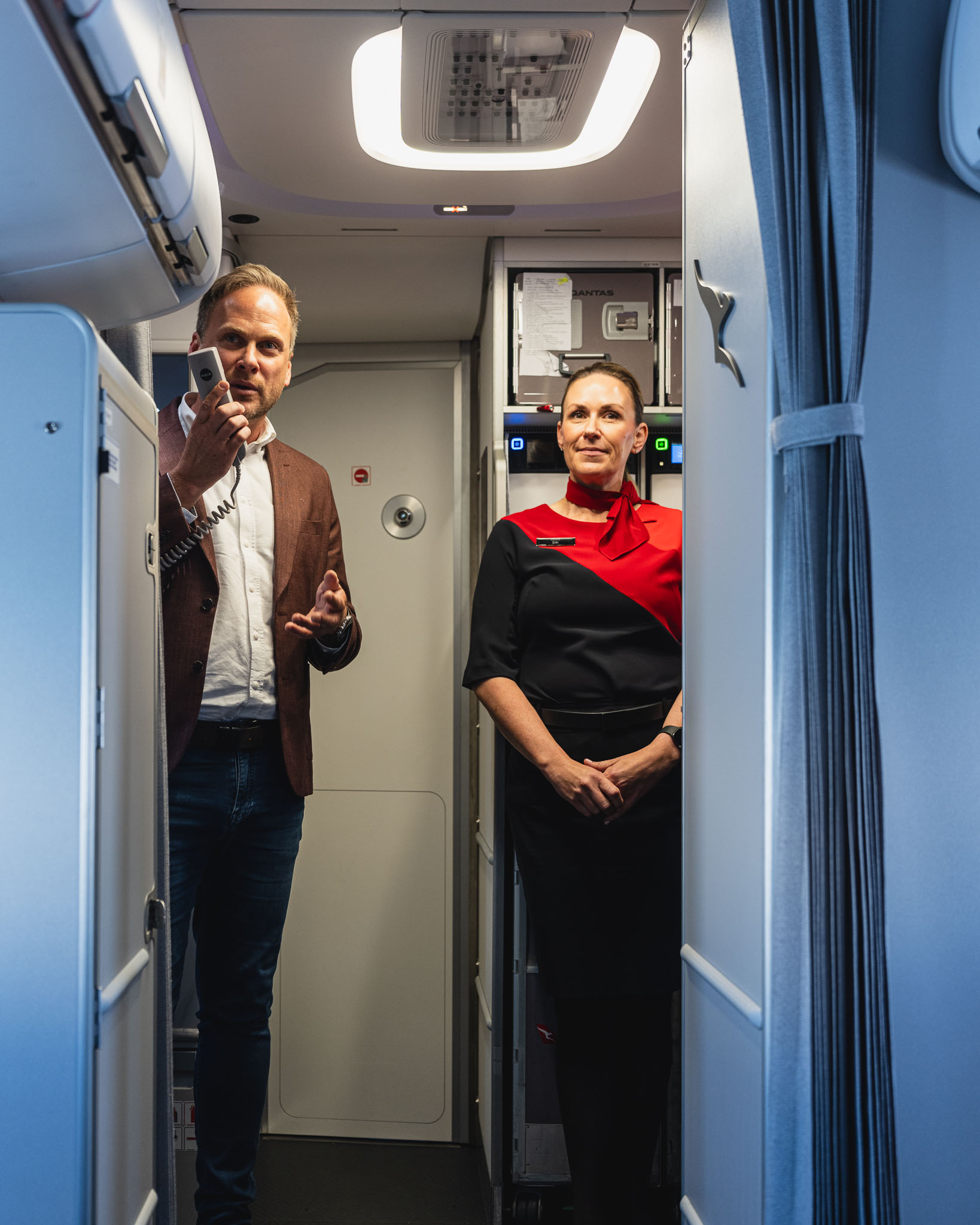
As we rocketed into the skies, we all commented about just how quiet the aircraft was. Like it was to the point we felt like we needed to whisper to each other so as not to annoy anyone else. Major kudos to Airbus, it may be the quietest airplane I’ve ever been on! Anyway, The Today Show host Tim Davies got on the microphone to welcome us to the flight as our emcee of the day.
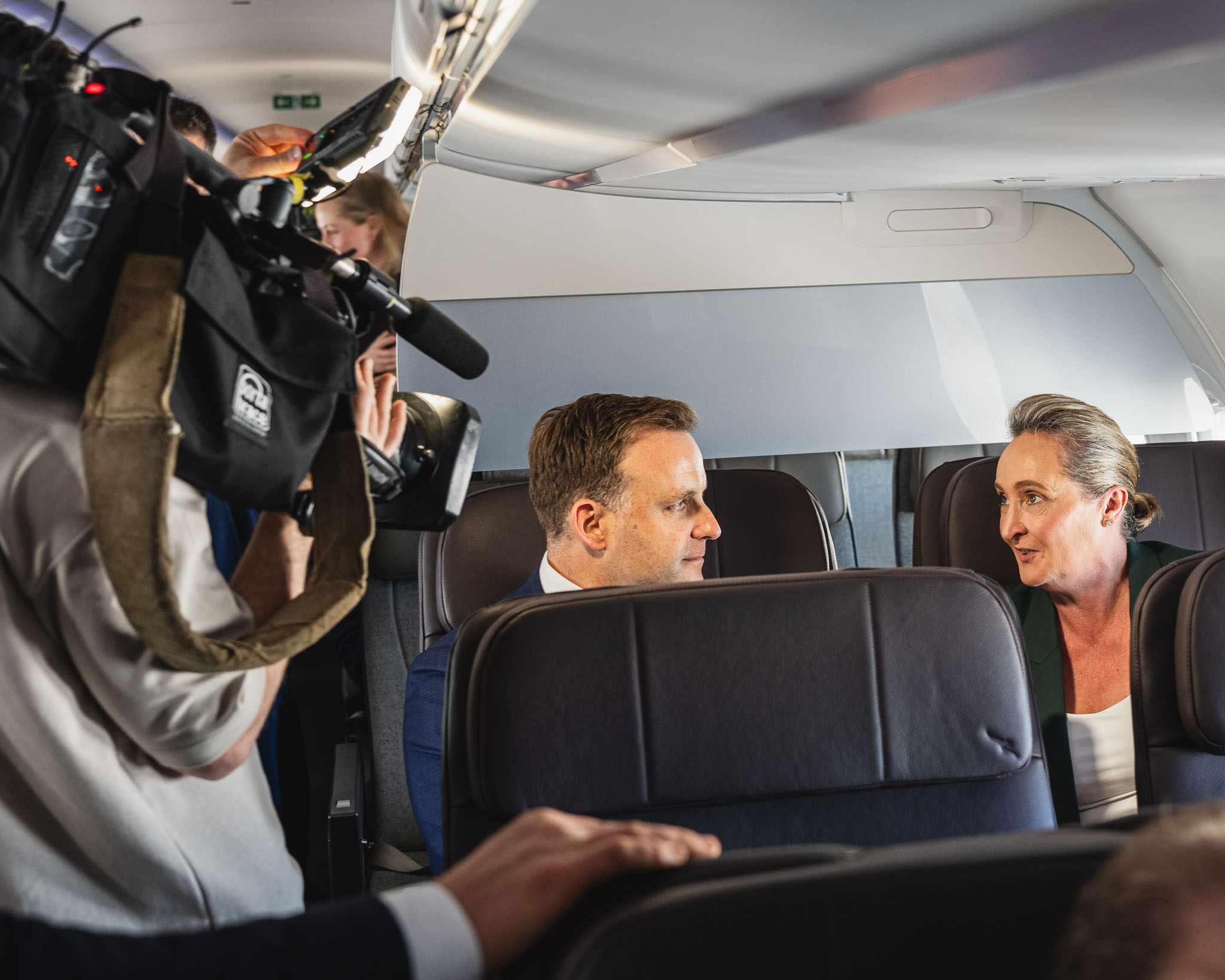
As we walked around getting the pictures and content we needed, Qantas Group CEO Vanessa Hudson was visiting with members of the media as well as some of the other passengers on board.
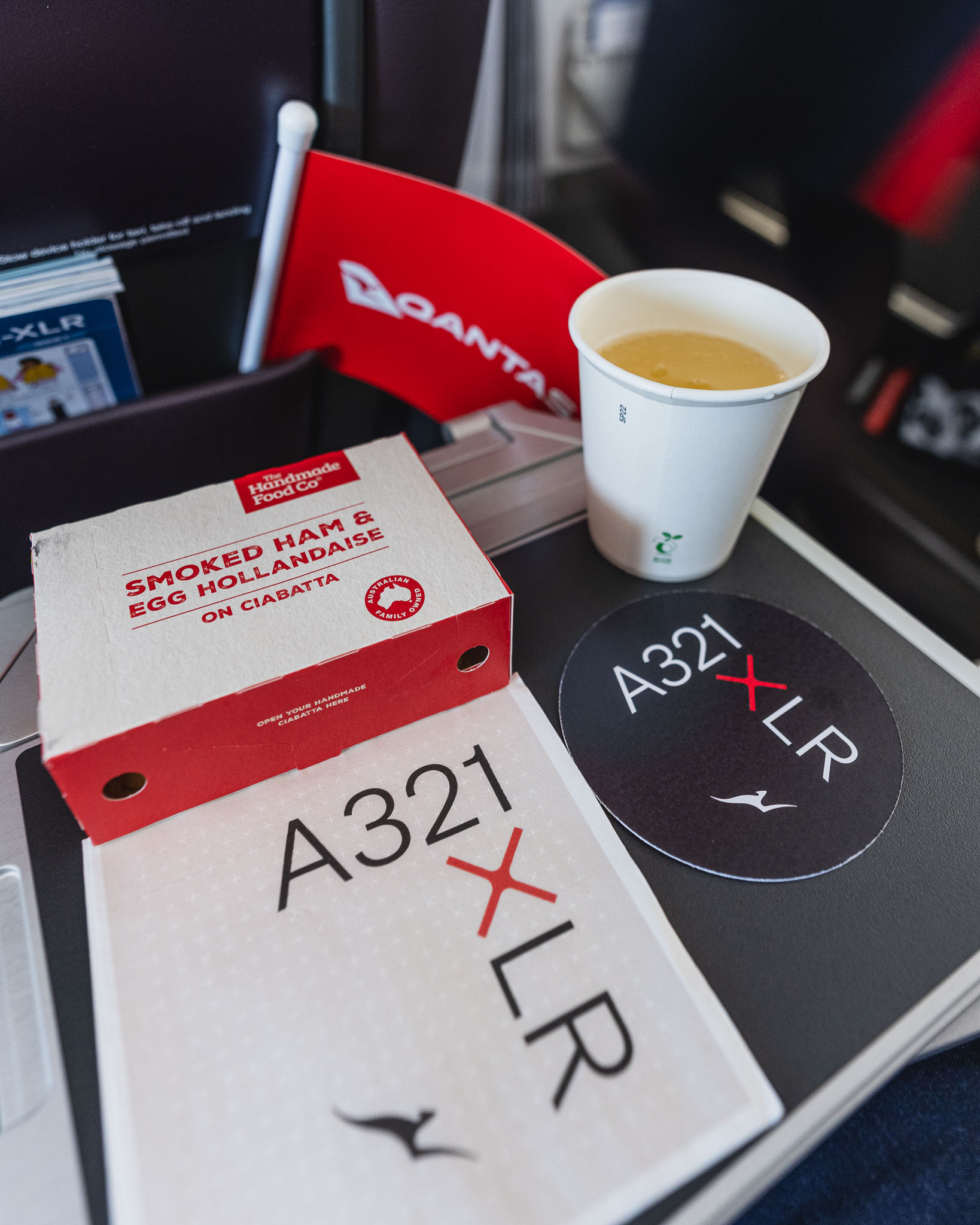
Since this wasn’t an actual commercial flight, we did not have the typical Qantas catering experience, but the outstanding flight crew managed to do a modified version of meal and beverage service, which was no small feat considering how many people were up and about the cabin!
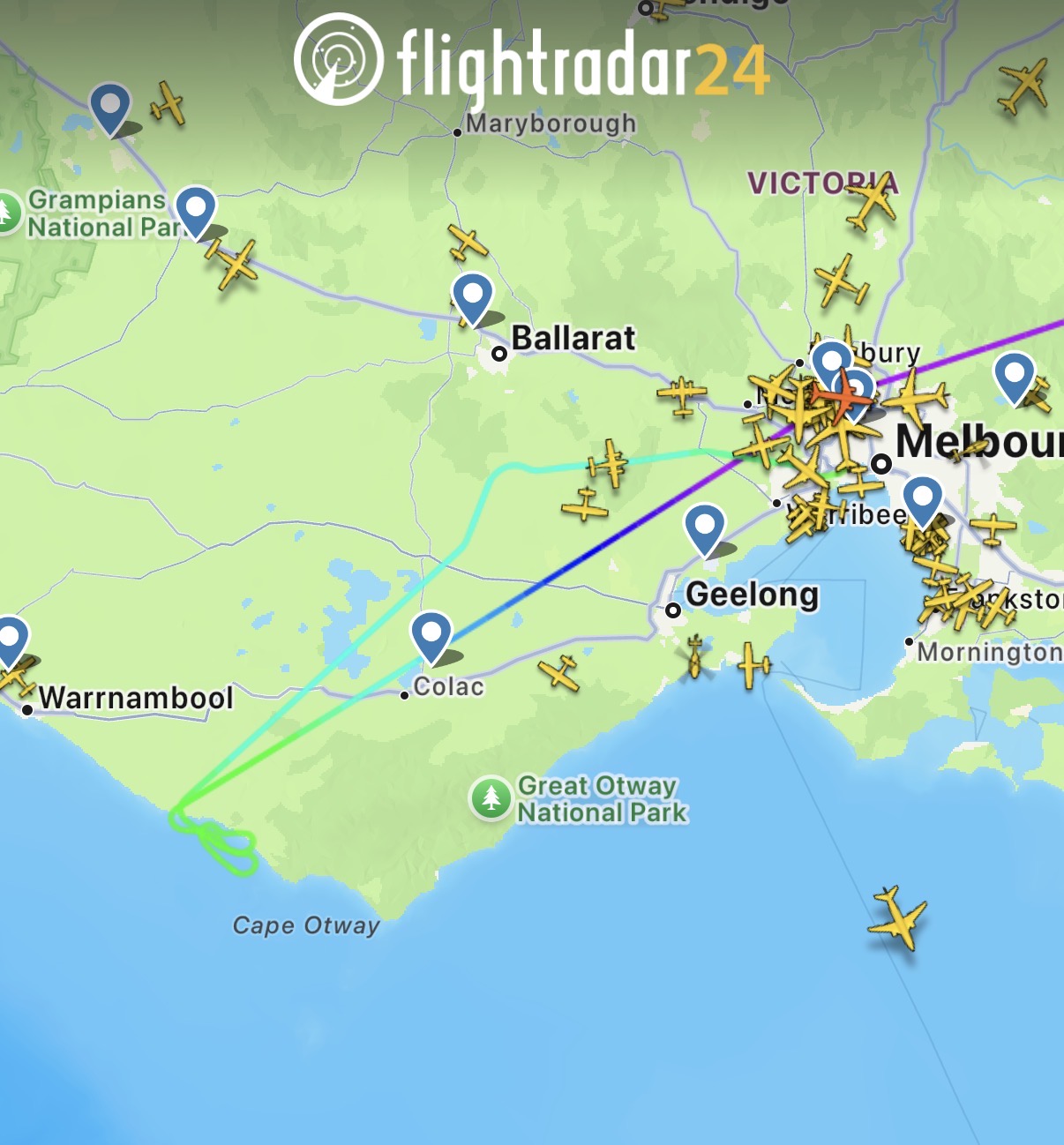
Eventually our emcee Tim got on the microphone again and asked if anyone had noticed that we had actually flown past Melbourne. I hadn’t noticed, but I did find it odd that a flight from Sydney to Melbourne was blocked out at around two hours instead of the usual one. That’s when Tim reminded us of the name of our aircraft, Great Ocean Road, which is an iconic and famous drive south of Melbourne.
The plane began descending as Tim told us we would be doing a fly-by of the historic Great Ocean Road to honor our aircraft’s first flight! There were quite a few clouds to navigate, but eventually we leveled off at 3000 feet for a fly-by of the Great Ocean Road and its famous Twelve Apostles rock formation.
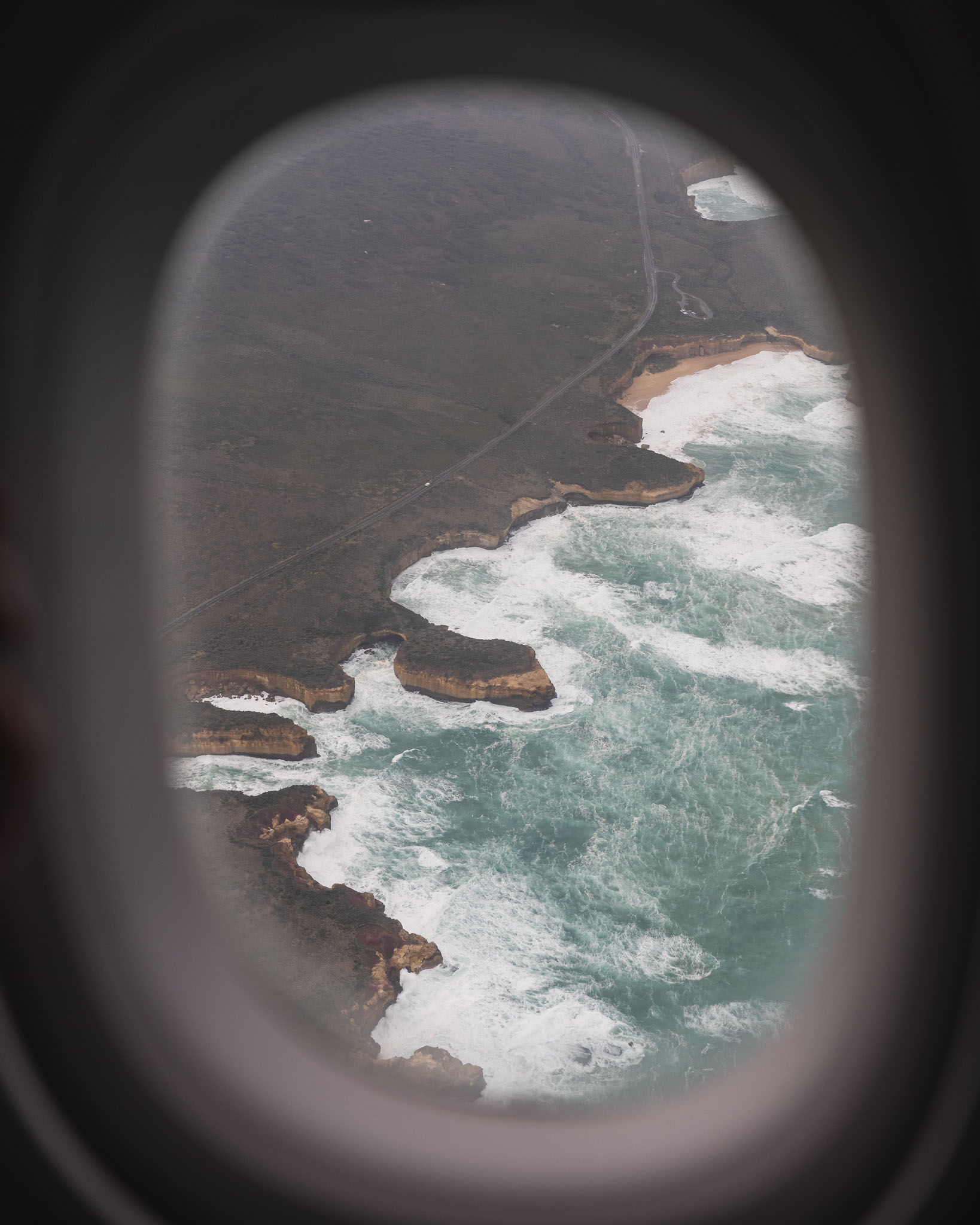
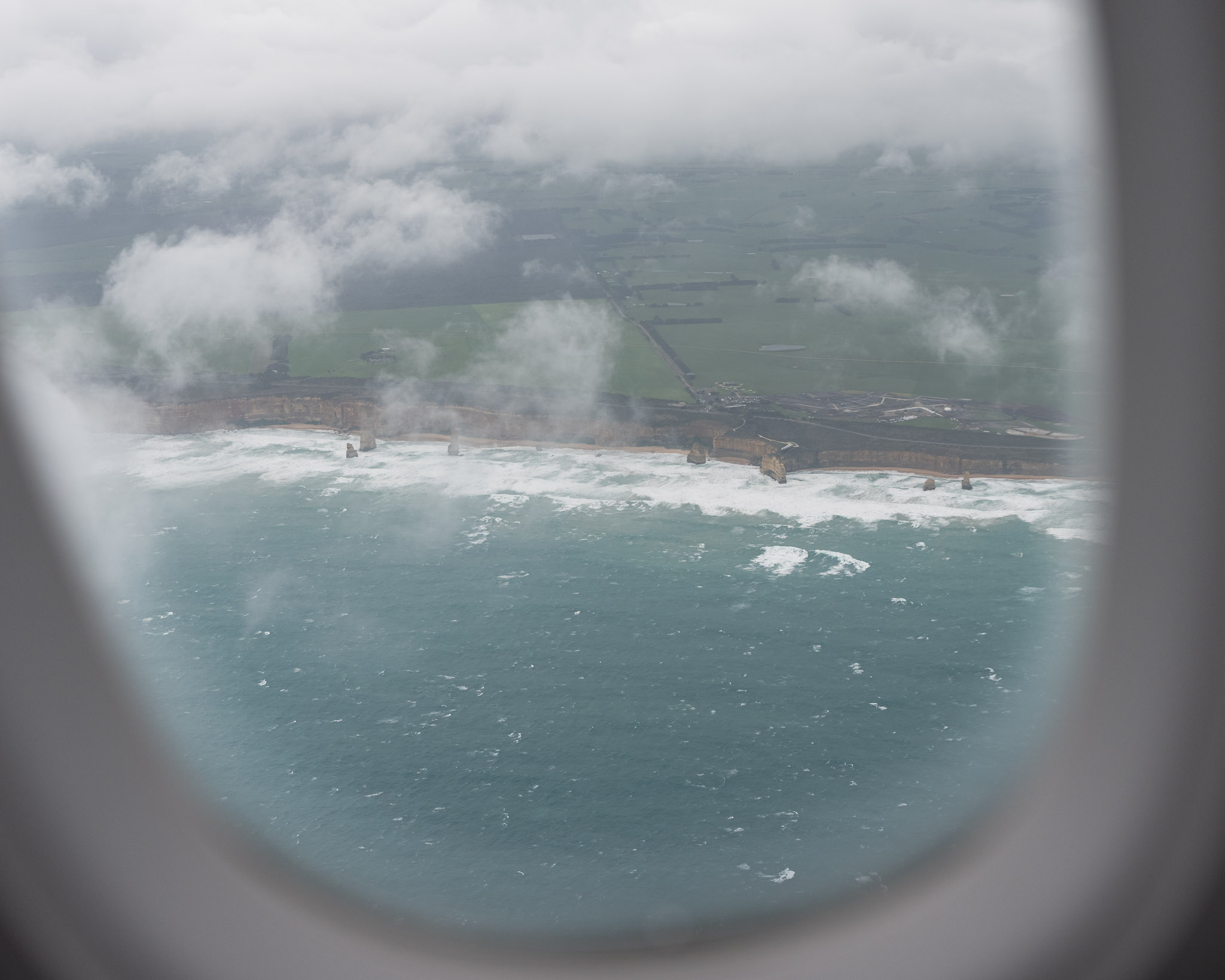
I thought of what it must have been like to be at the viewing platform for the Twelve Apostles and look into the distance and see a Qantas jet flying at 3000 feet!
We did a few loops, confusing everyone tracking the flight on FlightRadar24, and eventually made our way to a smooth landing at Melbourne’s Tullamarine Airport.
From the aircraft we were guided into the domestic Business Lounge for a media reception.
There were cocktails with branded ice cubes, of course.

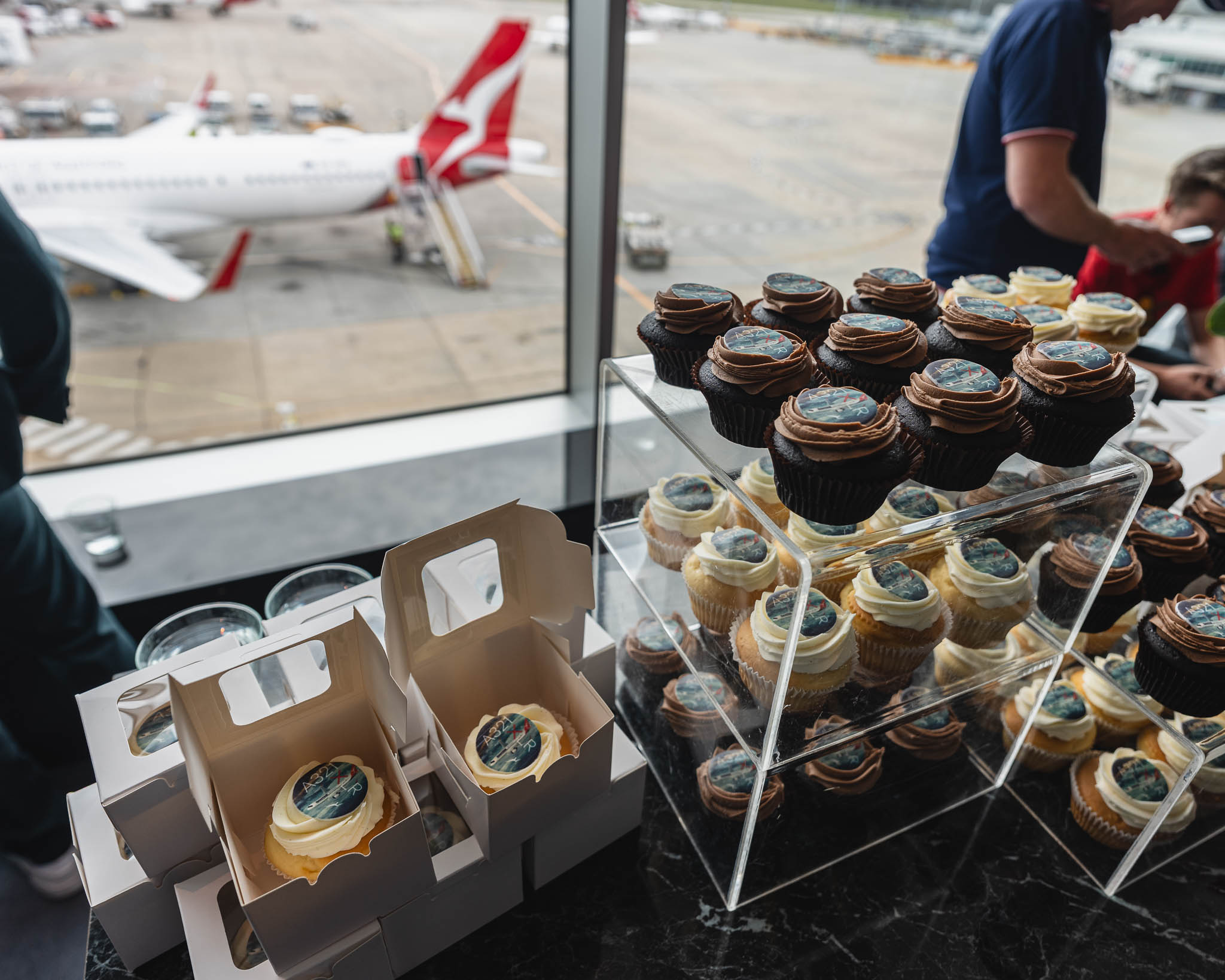
I was impressed with the careful logistical planning from the Qantas team, as our jet was sitting in full view from the lounge.
…and also there were cupcakes.
Vanessa Hudson addressed the crowd once again, joined by Stephen Forshaw, Airbus’s Chief Representative for Australia and New Zealand and the Pacific. The flight crew addressed the crowd, talking about their experience flying the new jet.

All in all it was an enjoyable celebration and you could feel the immense pride the various teams from Qantas felt on their big day.
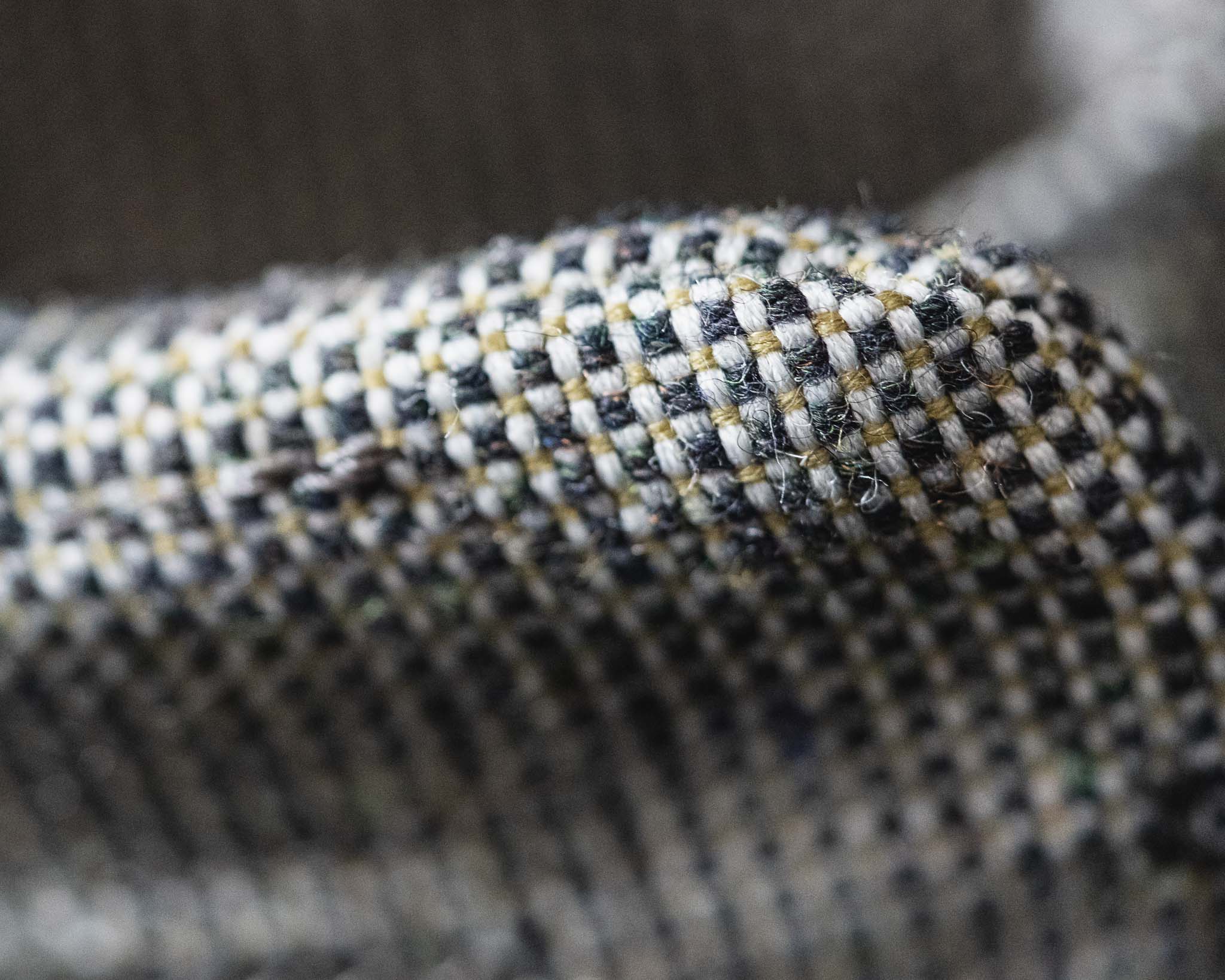
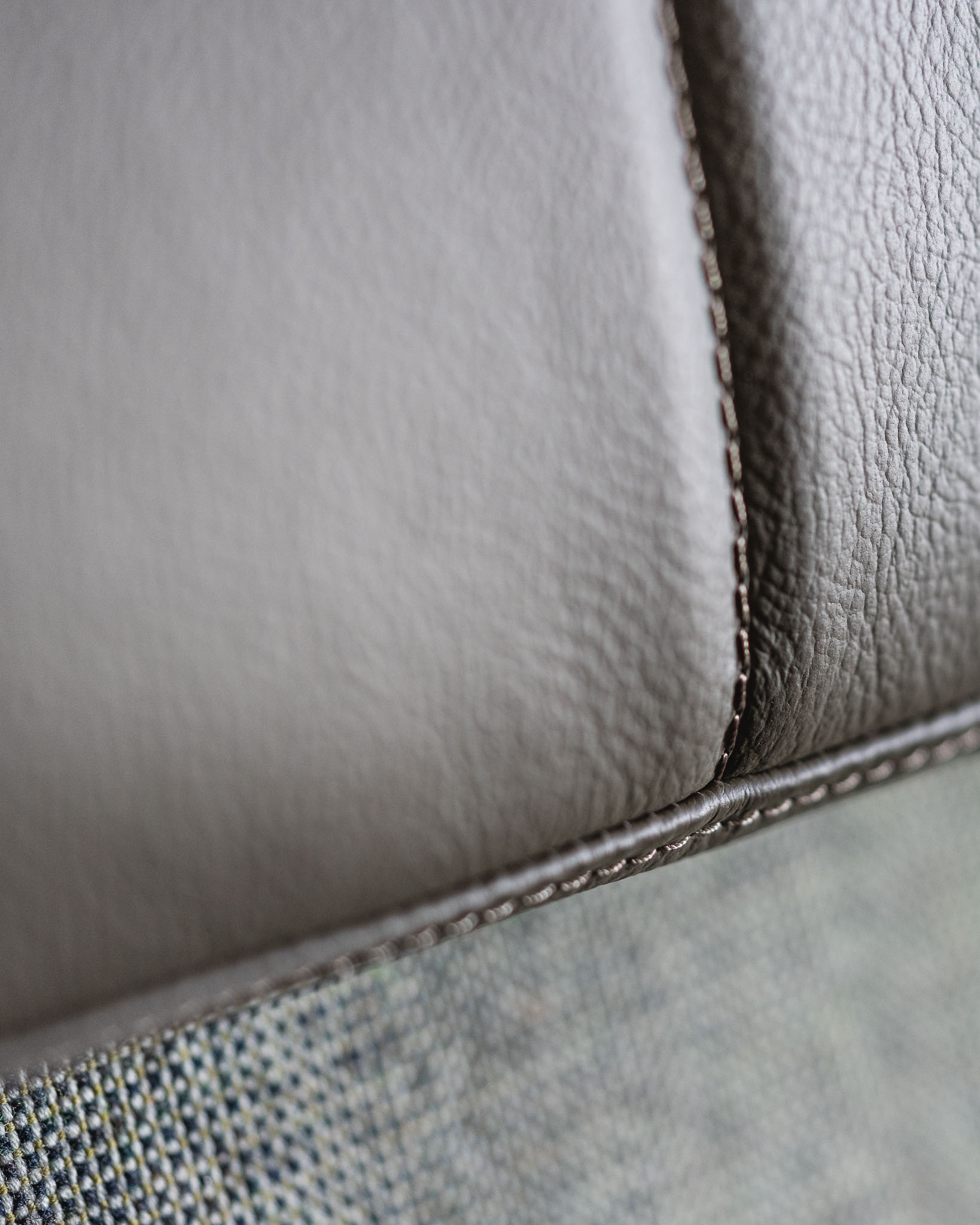
Eventually it was time to board for the flight back to Sydney. This time I was in the economy cabin, which is in a 3-3 layout that will be familiar to most flyers. I found the seats to be comfortable enough, similar to other Recaro seats I have sat in before, but I really liked Qantas’s choice of a fabric seat cover instead of a leather-feel like most airlines choose. Yes, the fabric will show stains but for whatever reason it felt more comfortable to me than other versions of that seat used by other airlines.
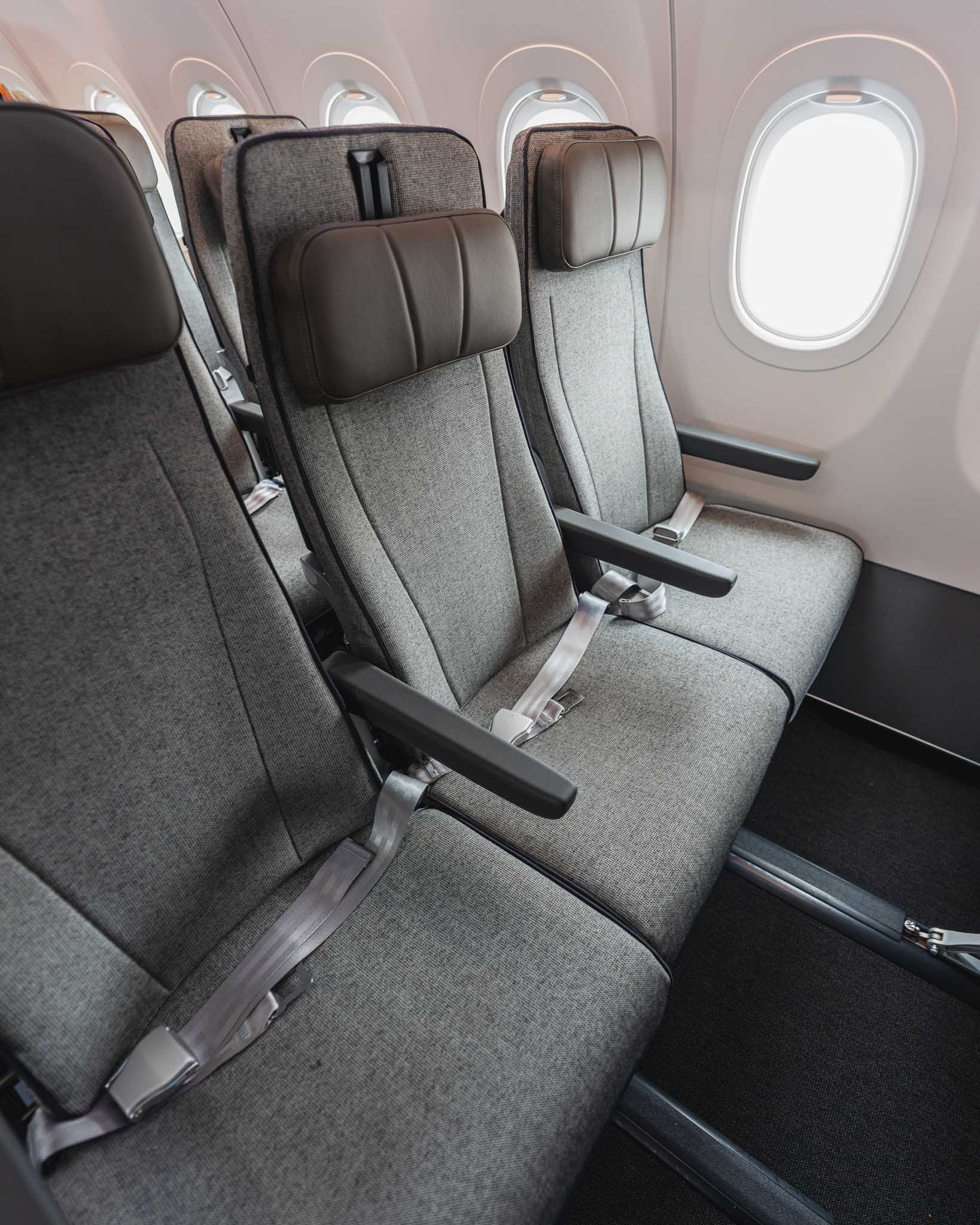
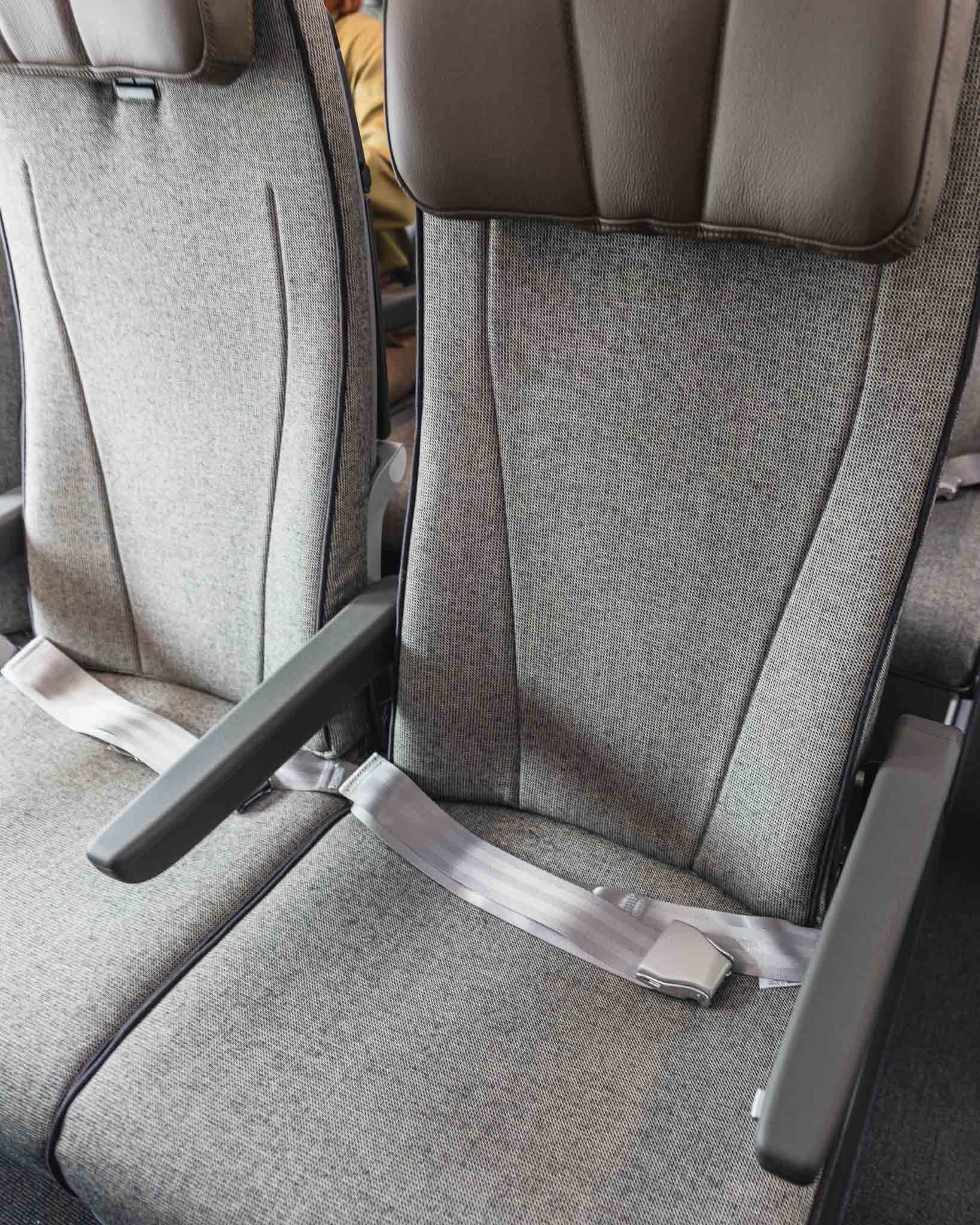
The flight back to Sydney featured a trivia game about the new aircraft (props to Qantas, it was a great way to make sure all of the media present knew the key facts about the new jet) for the quick flight back. Our arrival was impacted by high winds heading into Sydney but the approach path made for a great view of Sydney Airport and downtown Sydney from the window!
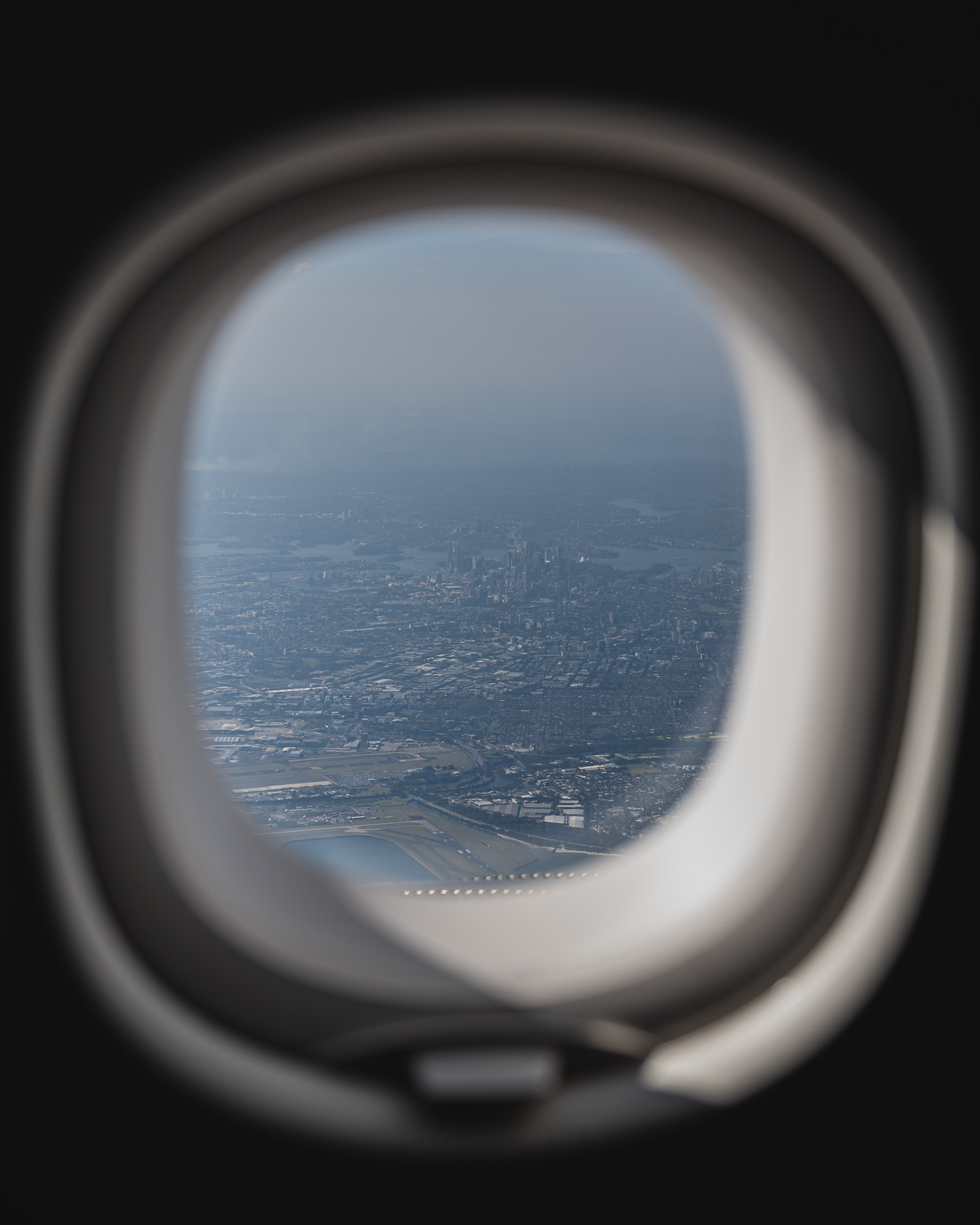
We came in for a smooth landing and before we knew it our experience was over. We walked into the gate area and there were lots of passengers waiting at the gate for the flight back to Melbourne, many of them not knowing they were going to board a brand new jet. And I guess that’s kind of the point.
Final Thoughts about the A321XLR
I have reviewed lots of aircraft cabins in the history of this blog, many of them being some of the nicest cabins in the skies. So what do I make of the new Qantas jet, even though the interior is obviously not the same as, for instance, the new Cathay Pacific Business Class Aria Suite? I think the most interesting part about the A321XLR is the flexibility it offers Qantas. I know their route planners have to be so excited to get the new jets into service as quickly as they can.
The cabin was perfectly suited for the purpose of the jet. Customers will need some time to adjust to using their own devices, and I will miss the flight map that I always watched on Qantas flights, but the quiet cabin more than makes up for it. All in all, I think it’s a winner, and it will be interesting to compare it to offerings coming soon from American Airlines using the same plane type.
(Many thanks to Qantas, who invited me as a guest on this flight at no cost. My opinions are my own and Qantas was not given an advanced copy of this article before it was published.)

Blast of a read, Andy! Glad you got to experience this nice new aircraft. Do any American domestic carriers have it on order?
Yep! American has an order for 50 of them.
others may write about this, but no one, and i do mean no one will excel with the photos to accommodate the the news like you do. just like Playboy in its day, we read it for the pictures! (yuk, yuk) great writing as always, kudos to Qantas for recognizing you still da man.
Great report!
looks like a very nice experience!
With you since 85′?